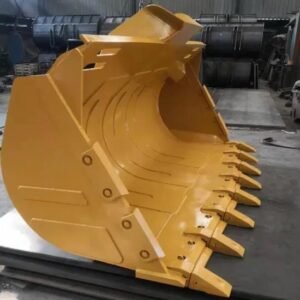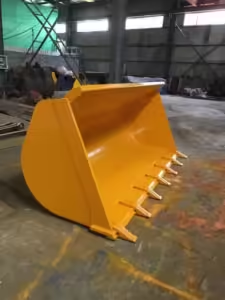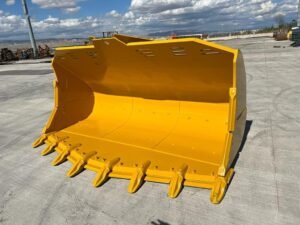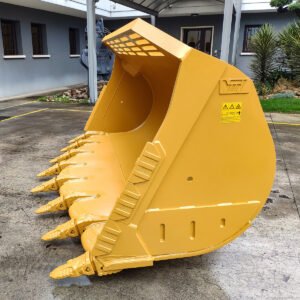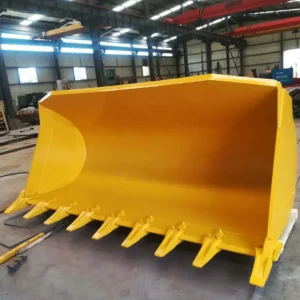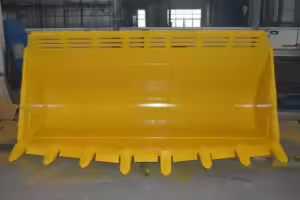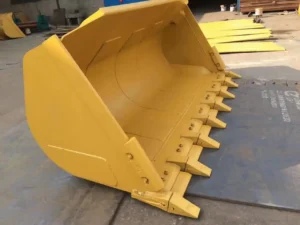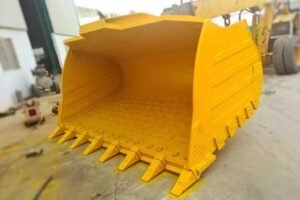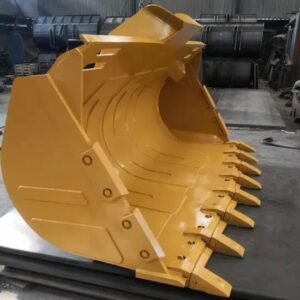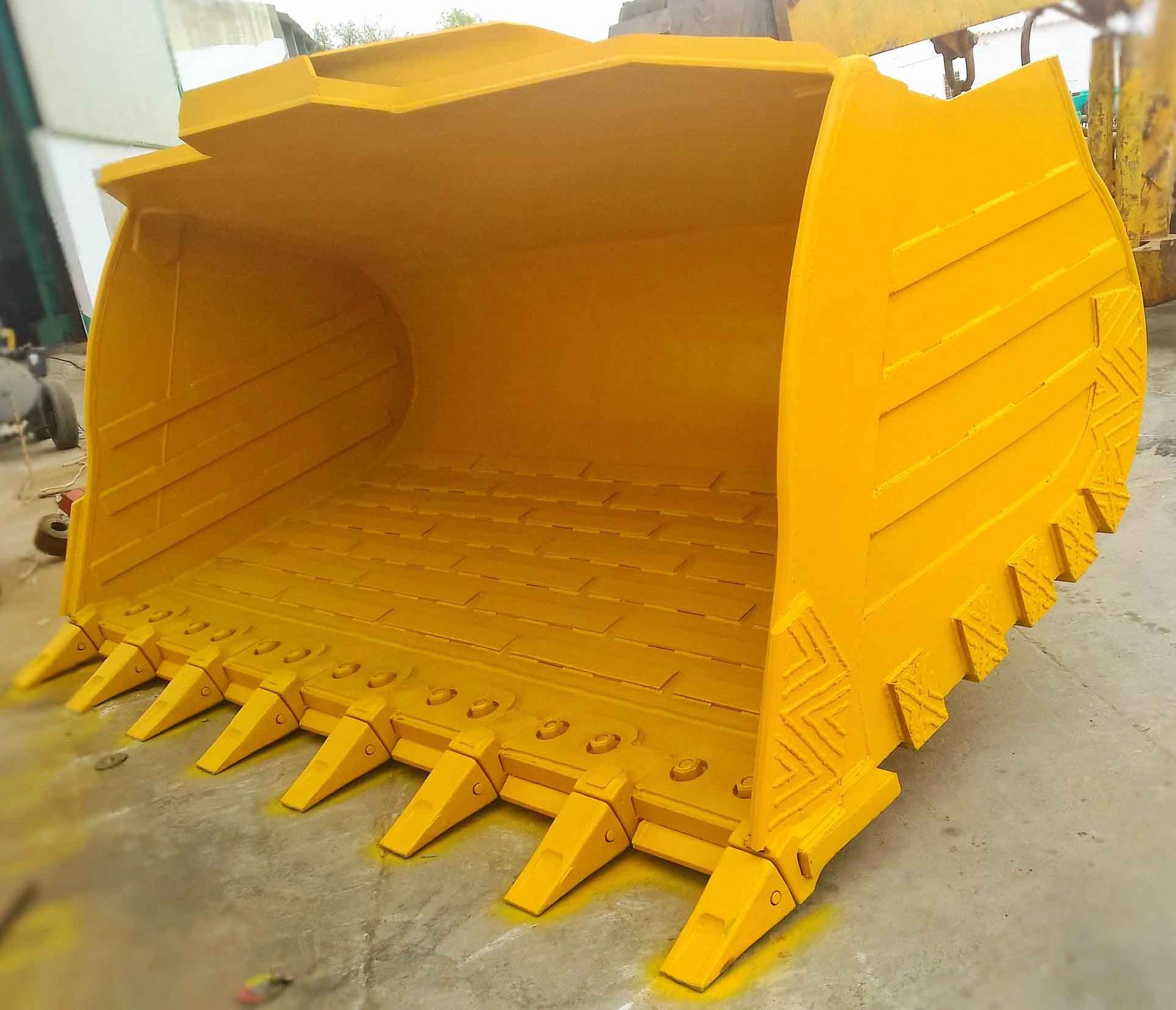
When it comes to maximizing the productivity and efficiency of construction, mining, agricultural, or landscaping projects, the Excavator Loader Bucket plays a pivotal role. This simple yet powerful attachment determines how effectively your machine can dig, load, carry, and handle materials. However, with so many options on the market, selecting the right bucket isn’t as straightforward as choosing the lowest price.
If you’re planning to buy an Excavator Loader Bucket, here’s a comprehensive guide on what you need to check before making that investment.
The first and most crucial step before purchasing an Excavator Loader Bucket is to clearly define your application requirements.
Type of Material: Are you handling soil, clay, gravel, rocks, sand, or demolition waste?
Work Environment: Construction sites, quarries, farms, or landscaping projects have different bucket demands.
Frequency of Use: Heavy hourly usage calls for a more durable bucket compared to occasional use.
Understanding these factors will help you choose the right bucket style, capacity, and material.
An Excavator Loader Bucket must perfectly match your excavator’s make and model.
Mounting Type: Ensure the bucket is compatible with your machine’s coupler system (e.g., Pin-on, Quick Coupler).
Operating Weight & Size: The bucket size must align with the excavator’s rated operating weight to prevent performance loss or mechanical strain.
Hydraulic Compatibility: For powered or tilt buckets, check hydraulic flow and pressure requirements.
Choosing the wrong size can lead to underperformance, increased fuel consumption, or even structural damage to the machine.
Bucket capacity isn’t just about volume; it influences productivity and fuel efficiency.
Volume: Larger buckets can move more material but may overload the machine if too big.
Shape: Standard, heavy-duty, rock, or trenching buckets each have unique shapes suited to specific tasks.
Standard Buckets: Best for general digging and loading.
Rock Buckets: Built with reinforced plates and side cutters for tough rocky terrain.
Trenching Buckets: Narrow design for precise trench work.
Teeth vs. Smooth Edge: Buckets with teeth are ideal for breaking hard ground, while smooth edges are great for finishing work.
Selecting the right bucket shape and size enhances productivity and reduces cycle times.
An Excavator Loader Bucket undergoes extreme stress and abrasion. Therefore, quality materials and solid construction are non-negotiable.
High-Strength Steel: Durable and resistant to wear and tear.
Abrasion-Resistant Plates: Reinforced areas where contact is highest (cutting edges, sidewalls, corners).
Quality Welding: Consistent and smooth welds prevent premature cracking.
Reinforcement Gussets: Additional plates in high-stress zones increase durability.
A well-built bucket reduces maintenance costs and extends its service life.
Wear parts such as teeth, adapters, and cutting edges take the brunt of abrasion. Before buying an Excavator Loader Bucket, make sure:
Wear parts are standardized and replaceable easily.
The manufacturer provides aftermarket support or spare parts availability.
Teeth type and size are widely used, so replacements are affordable and accessible.
Buckets with easily replaceable parts can significantly reduce downtime and operating costs.
Price is important, but the cheapest option isn’t always the best when it comes to heavy equipment attachments.
Consider Total Cost of Ownership — durable materials, long service life, and easy maintenance can justify a higher upfront cost.
Ask yourself:
Will this bucket last more than one season?
Does it come with a warranty?
How does it compare with similar buckets from other brands?
A well-chosen bucket delivers better ROI and reduces long-term expenditure.
Before finalizing the purchase, check the seller or manufacturer’s:
Warranty Coverage: What’s included and for how long?
After-Sales Support: Availability of technical advice, spare parts, repairs, and servicing.
Customer Reviews and Reputation: Real user feedback can be invaluable in understanding real-world performance.
Strong vendor support often separates an average purchase from a smart investment.
Lastly, consider practical aspects:
Delivery Time: Urgent projects may require faster delivery or nearby stock availability.
Installation Support: Some vendors provide installation services or guidance — especially important for hydraulic or quick-attach systems.
Getting these details sorted upfront eliminates delays later.
Choosing the right Excavator Loader Bucket can transform your machine’s performance, boost productivity, and minimize downtime. By understanding your needs, checking compatibility, evaluating build quality, and considering long-term value, you’ll make a well-informed purchase that serves your operations smoothly for years.
Ready to select the perfect bucket for your needs? Start with these points, and you’ll be miles ahead in making a thoughtful investment.