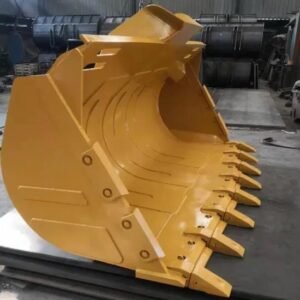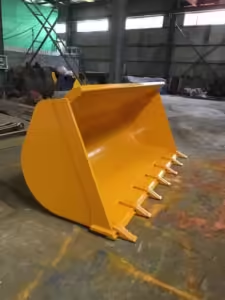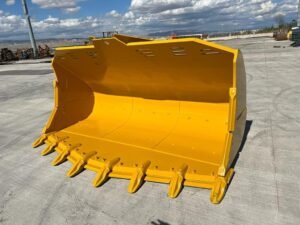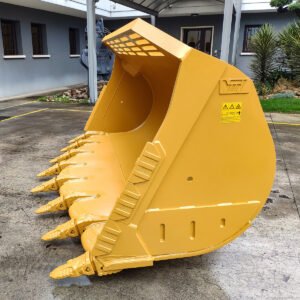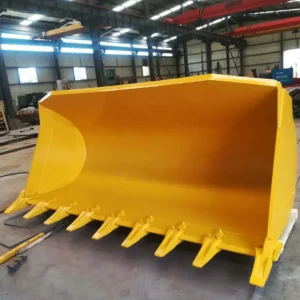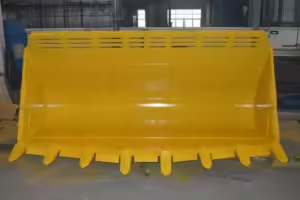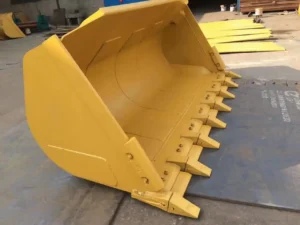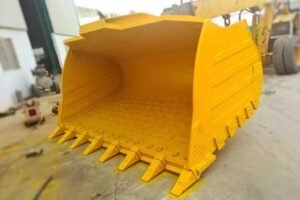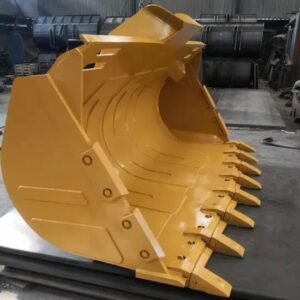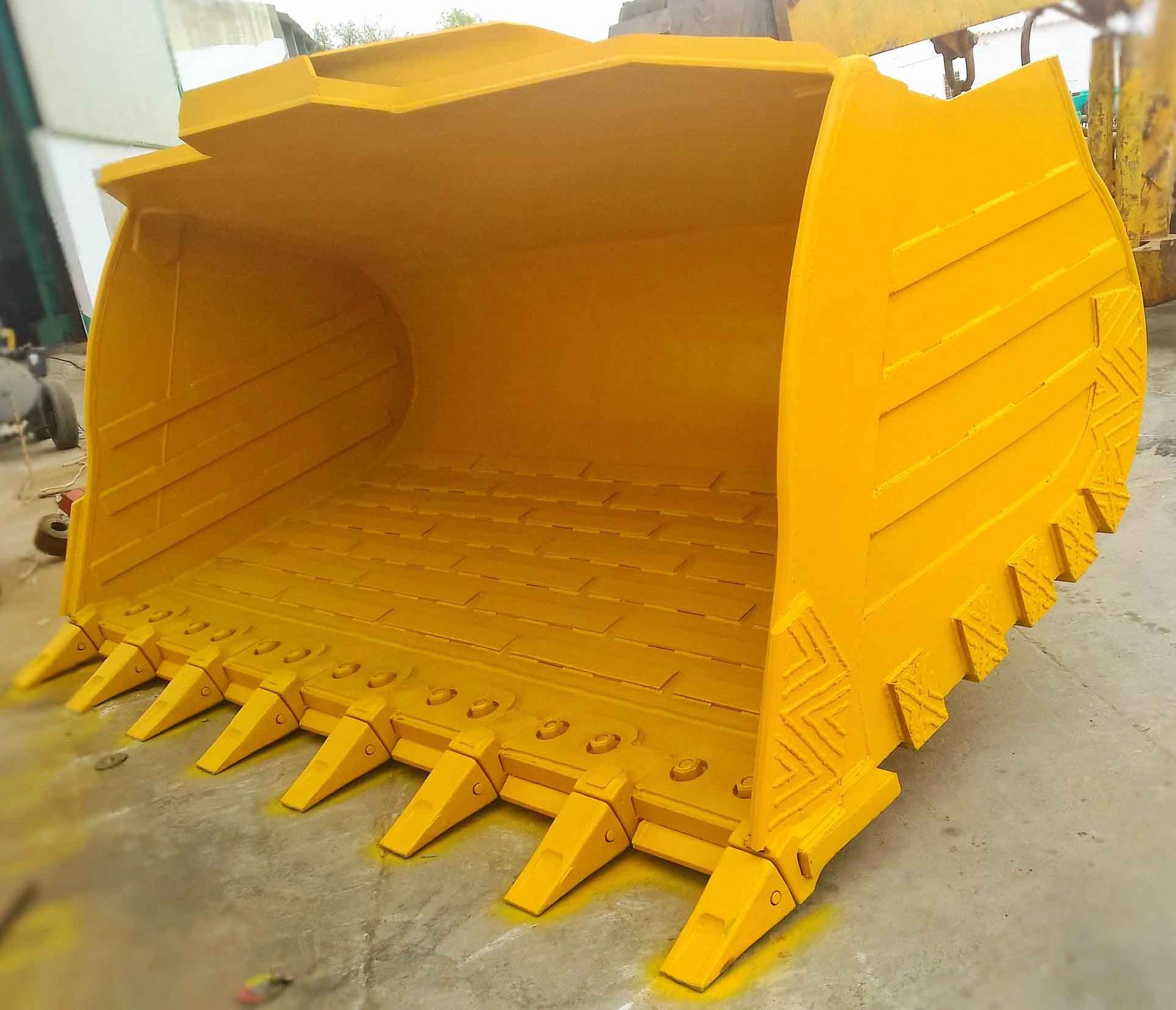
When it comes to heavy equipment, attachments are more than accessories — they define how efficiently a job gets done. Among these, the Excavator Loader Bucket plays a pivotal role in earthmoving, material handling, landscaping, and construction projects. Choosing the right bucket impacts productivity, operating costs, machine wear and tear, and ultimately the profitability of your project.
However, selecting the right bucket isn’t just about picking the cheapest option. A balance between price and performance is essential to maximize value. In this blog, we explore the cost factors involved in selecting an Excavator Loader Bucket and offer practical tips on achieving the perfect balance between upfront investment and long-term performance.
The bucket is arguably the most frequently used attachment on excavators and loaders. Whether you’re digging foundations, loading materials into trucks, or clearing debris, the bucket’s performance directly affects:
Operational efficiency
Fuel consumption
Cycle times
Wear and maintenance costs
Safety and operator comfort
Choosing the wrong bucket — even if inexpensive — can lead to frequent replacements, downtime, and increased operating expenses. Thus, the primary goal of smart bucket selection is not saving upfront cost, but optimizing the total cost of ownership (TCO).
When analyzing the cost factor, it’s crucial to differentiate between initial price and lifecycle cost.
This is the price you pay when purchasing the Excavator Loader Bucket. Factors influencing the initial cost include:
Material grade (e.g., high tensile steel)
Manufacturing process (forged vs. welded)
Brand reputation
Size and compatibility
Special features (e.g., quick couplers, reinforced edges)
While a lower price might be attractive, it is often linked to lower material quality or thin steel, which can accelerate wear and failure.
Lifecycle cost considers how much you will spend on the bucket throughout its usable life:
Maintenance and repairs
Replacement frequency
Fuel efficiency due to design
Downtime costs
Resale or scrap value
A higher-priced bucket made from quality materials and engineered for durability can reduce operating costs over time, delivering better value than a cheaper alternative.
To find the perfect balance in Excavator Loader Bucket selection, consider the following:
Buckets experience harsh working conditions — abrasion, impact, and corrosion. High-quality materials like high-strength, abrasion-resistant steel improve longevity. Though pricier, these buckets resist wear and tear, lowering replacement frequency and downtime.
Advanced design features directly influence performance:
Optimal shape for loading and digging
Efficient material retention
Smooth discharge
Wear liners or replaceable wear parts
A well-designed bucket can reduce fuel consumption by improving loading cycles and lowering resistance during digging or scooping.
Choosing a bucket that matches your machine’s power and operating capacity is key. An oversized bucket can overwhelm the hydraulics or engine, increasing fuel use and stress on components. Conversely, an undersized bucket can reduce productivity.
Always refer to the manufacturer’s recommended bucket size for your excavator or loader.
A reputable brand may cost more upfront, but it often offers:
Better quality control
Stronger warranties
Easier access to spare parts
Technical support
These add value and peace of mind, especially for long-term projects.
Here are actionable strategies that can help you get the most value from your Excavator Loader Bucket investment:
Don’t focus only on sticker price. Calculate the expected bucket life, maintenance, and operational impacts over time.
Check for wear liners, reinforced joints, and quality of steel. These factors significantly influence longevity.
If your work involves diverse tasks, consider detachable or multi-purpose bucket solutions rather than several specialized ones.
Used buckets can be cost-effective if they are inspected and refurbished properly. Ensure proper checks and balance resale value vs. remaining life.
A bucket that reduces cycle times and load rejection can improve overall machine efficiency — saving money in fuel and labor.
Choosing the right Excavator Loader Bucket is about more than just price. It’s about understanding how different design, material, application, and performance factors affect long-term productivity and costs. A well-balanced choice minimizes downtime, reduces operating expenses, and improves your equipment’s overall performance.
When evaluating an Excavator Loader Bucket, remember:
Value isn’t measured by upfront savings — it’s measured by consistent performance and low operating costs over time.
Make informed decisions, consult with suppliers about specific applications, and always align your choice with the job requirements and machine capabilities.