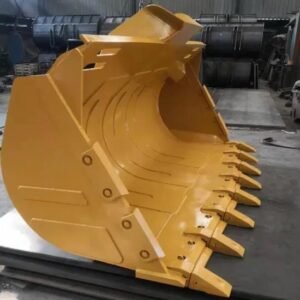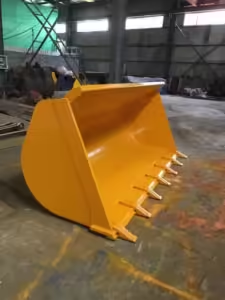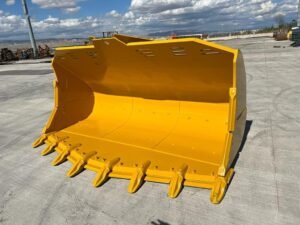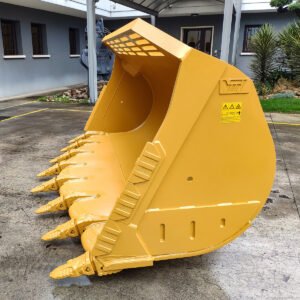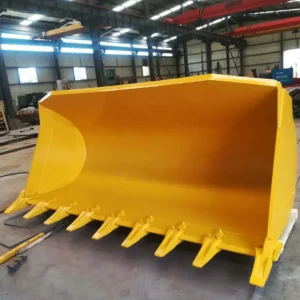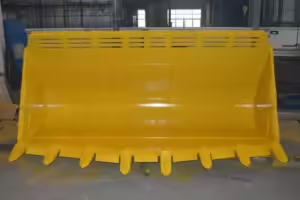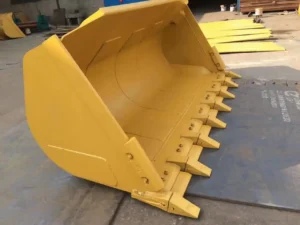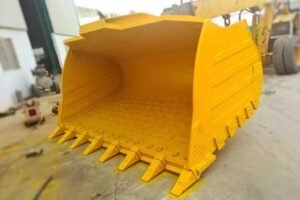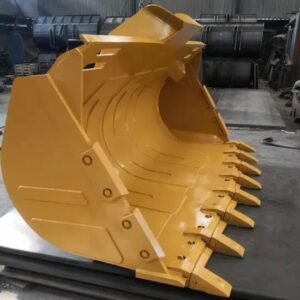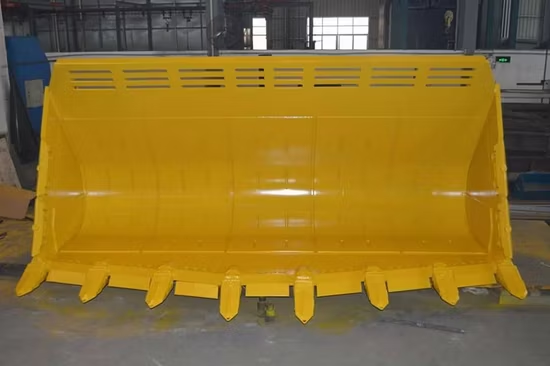
The Excavator Loader Bucket has come a long way from its humble origins as a simple scoop of metal at the end of a hydraulic arm. Today, advancements in materials science, digital integration, hydraulic design, and multifunctionality are transforming these essential attachments into high-tech tools that enhance productivity, efficiency, and sustainability on construction and infrastructure sites. In this blog, we explore the latest innovations in excavator loader bucket design and technology — including what’s shaping the future of earthmoving equipment.
One of the most significant areas of innovation in the design of Excavator Loader Buckets is material technology. Traditional buckets were typically made from standard steel, but modern demands have led to the adoption of:
High-Strength Alloys and Wear-Resistant Steels: Advanced steel grades with manganese, chromium, and other alloying elements significantly increase resistance to abrasion and impact, extending the service life of buckets even in harsh digging conditions.
Composite Materials: Some manufacturers are experimenting with fiber-reinforced polymers and lightweight composites that maintain strength while reducing overall weight. Lighter buckets can improve fuel efficiency and reduce stress on hydraulic systems.
Wear-Resistant Coatings: Application of tungsten carbide and other wear coatings on cutting edges and high-impact surfaces helps prevent premature wear, particularly in mining and heavy construction applications.
These material enhancements mean buckets can operate longer between maintenance cycles, help improve fuel efficiency, and reduce the total cost of ownership.
The integration of digital technology is transforming traditionally mechanical components into intelligent tools:
Embedded Sensors: Manufacturers are now embedding sensors into Excavator Loader Buckets that monitor real-time metrics like load stress, wear levels, and cycle counts. This data helps operators make informed decisions and plan maintenance proactively before breakdowns occur.
Telematics Integration: Integrated telematics systems allow fleet managers to monitor bucket performance remotely, track usage patterns, and optimize asset allocation — improving uptime and reducing unplanned downtime.
Predictive Maintenance Analytics: Using IoT data combined with AI analytics, system dashboards can predict when parts are nearing the end of life, helping businesses schedule repairs efficiently and minimize costly disruptions.
Smart buckets not only elevate operational visibility but also bring heavy equipment into the era of connected job sites.
Gone are the days when a bucket served only a single role. Today’s Excavator Loader Buckets are engineered for versatility:
Multifunction Buckets: Designs such as the 6-in-1 bucket can function as digging, loading, grading, dozing, backfilling, and grabbing tools — replacing multiple attachments and streamlining workflows.
Purpose-Built Designs: Specialized buckets for tasks like trenching, rock excavation, grading, and riddle (sorting) applications help optimize the excavator for specific jobs without compromising performance.
Quick-Change Attachments: Advanced quick-coupler systems now allow operators to swap buckets and tools rapidly without manual intervention or leaving the cab, drastically reducing downtime on the jobsite.
These multifunction and specialized designs increase job site efficiency and make excavator fleets more adaptable.
Excavator hydraulics and mechanical connections continue to evolve to support bucket performance:
Improved Quick Couplers: Next-generation quick couplers reduce time and effort for attachment changes while ensuring secure connections.
Tiltrotator Integration: Tiltrotators provide 360° rotation and tilt control, allowing operators to manipulate the Excavator Loader Bucket more precisely without repositioning the entire machine — perfect for trenching, grading, and complex excavation tasks.
Optimized Load Distribution: Advanced interface designs take into account weight distribution and center-of-gravity adjustments to maintain machine stability even when using larger or multifunctional buckets.
Electro-Hydraulic Control: As hybrid and electric excavators emerge, bucket hydraulics are being redesigned for compatibility with lower-emission powertrains, offering smoother, more precise control with reduced environmental impact.
These innovations ensure that even as bucket designs change, the core hydraulic system can support higher performance and greater versatility.
The construction industry’s focus on sustainability is influencing bucket design as well:
Lightweighting for Fuel Efficiency: Using lighter but stronger materials reduces machine load, lowering fuel consumption and emissions during operation.
Circular Manufacturing: Some manufacturers are incorporating recycled materials and designing buckets with remanufacturing or recycling in mind, contributing to reduced environmental impact.
Electric and Hybrid Compatibility: As excavators move toward electrification, buckets are being optimized to align with electric powertrains — improving overall machine eco-performance.
These sustainability-centric innovations help companies meet regulatory standards and push the industry toward greener construction practices.
The Excavator Loader Bucket is no longer just a scoop; it’s a sophisticated component at the forefront of heavy-equipment innovation. Advancements in material science, smart sensor integration, multifunctional design, hydraulic control systems, and sustainable practices are reshaping how buckets perform on modern job sites. As these technologies continue evolving, contractors and machine operators can expect greater efficiency, precision, and durability — driving productivity and reducing the total cost of operation across construction, mining, and infrastructure development sectors.
Whether you’re a project manager, equipment operator, or industry enthusiast, the innovations in Excavator Loader Bucket design point to a more intelligent, adaptable, and efficient future for heavy machinery.