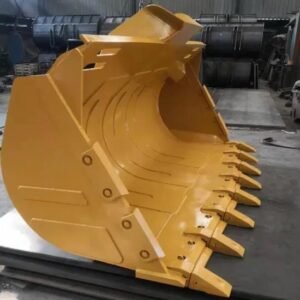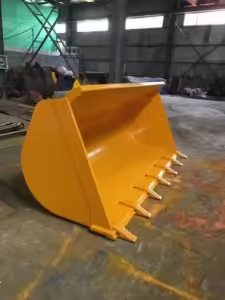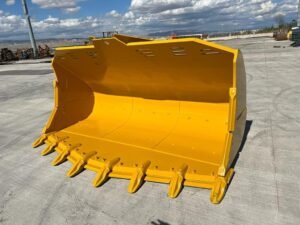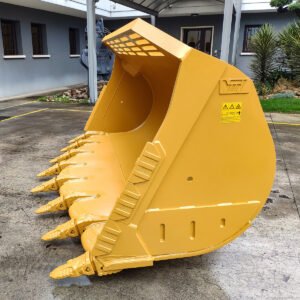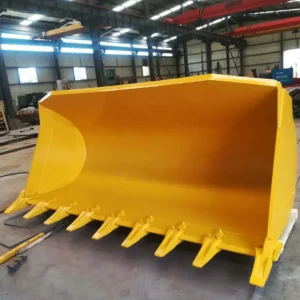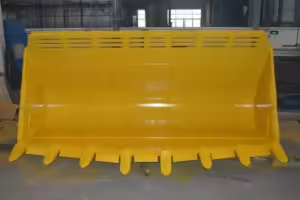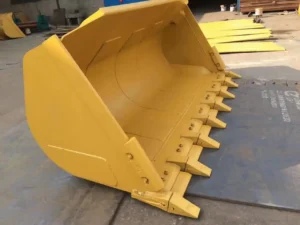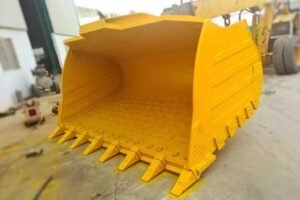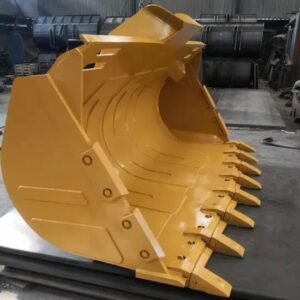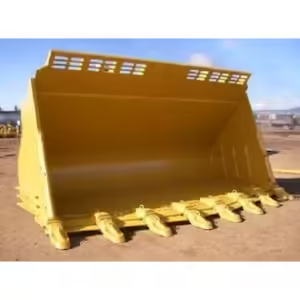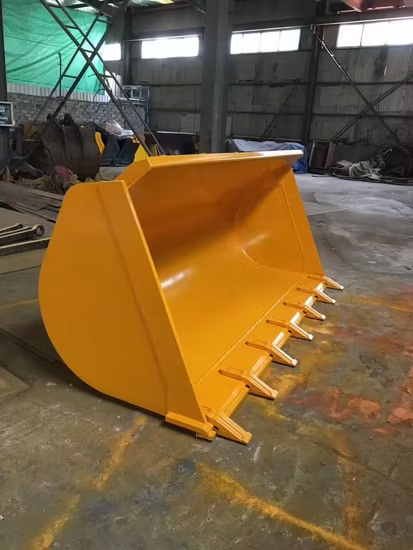
In the world of construction and earthmoving, attachments like the Excavator Loader Bucket are indispensable. Whether you’re digging trenches, loading materials, or clearing debris, the bucket is one of the most heavily used components of your equipment. However, despite its importance, its maintenance — especially proper storage and cleaning practices — is often overlooked. In this blog, we dive deep into why correct bucket care matters, how it impacts performance and safety, and best practices to ensure optimal bucket life.
The Excavator Loader Bucket is exposed to harsh conditions on every job site. From abrasive soil and gravel to corrosive materials and environmental elements like rain or saltwater, the bucket takes the brunt of wear and tear. Without proper care, this wear accelerates, leading to:
Reduced efficiency
Increased operating costs
Risk of equipment failure
Shortened bucket lifespan
A well-maintained bucket not only performs better but also ensures the machinery it’s attached to operates at peak efficiency.
At first glance, skipping proper storage or cleaning might seem like a harmless shortcut. But the reality is different. Ignoring routine care for your Excavator Loader Bucket can lead to several costly issues:
Buckets consist of steel and wear parts designed to withstand heavy use. Left with caked mud or debris, moisture gets trapped against the surface, accelerating rust and corrosion. Over time, this weakens structural integrity and reduces performance.
A dirty bucket with obstructed teeth or worn edges requires more power to dig or scoop. This increases fuel consumption and strains the machine — costing you both time and money.
Debris buildup can hide cracks or damage. Working with a compromised bucket increases the risk of sudden cracks or detachment — leading to potential safety hazards for operators and site workers.
Proper cleaning isn’t just about aesthetics — it’s a key part of maintaining functionality. Here’s how to do it effectively:
After each job, remove loose dirt and debris using water and a stiff brush. A pressure washer is ideal for heavy soils or sticky materials like clay.
Check around the pivot points, teeth, and side cutters. Debris lodged in these areas may not be obvious, but it can cause damage over time.
For sticky substances like asphalt or concrete residue, use recommended degreasers or industrial cleaners. Avoid harsh chemicals that may degrade protective coatings or welds.
Moisture is a major cause of rust. After washing, allow the bucket to dry thoroughly — especially if you’re planning to store it indoors.
Storage isn’t merely about finding a space — it’s about ensuring the right conditions:
Keeping your Excavator Loader Bucket in a dry, covered area protects it from weather elements, UV exposure, and moisture — all leading causes of rust and deterioration.
If indoor space is limited, invest in quality covers that shield equipment from rain, dust, and sunlight.
Store buckets on wooden blocks or steel stands rather than directly on soil or concrete. This prevents moisture transfer and helps maintain bucket geometry.
A quick inspection before storage helps you identify minor issues — like cracked welds or loose teeth — before they worsen.
Cleaning and storing your Excavator Loader Bucket isn’t a one-time activity — it’s a routine. Integrate these practices into your equipment maintenance schedule:
Visual Inspections: Look for cracks, bent edges, worn teeth, and rust spots.
Lubricate Moving Parts: Apply grease to pins and bushings after cleaning to prevent wear and corrosion.
Measure Wear: Track the wear on bucket teeth and side cutters so you know when replacement is due.
Investing time and effort into proper bucket care returns value in multiple ways:
A clean, well-stored bucket works smoothly, digs better, and boosts machine fuel efficiency.
Routine care prevents expensive repairs and extends the bucket’s service life.
A structurally sound bucket minimizes the risk of accidents and downtime.
Well-maintained attachments fetch higher resale value if you decide to upgrade or sell equipment.
The Excavator Loader Bucket, though rugged by design, still demands attention. By adopting proper cleaning and storage practices, you protect your investment, ensure safe operations, and maximize efficiency across every project. The next time your bucket hits the ground, remember: maintenance isn’t an option — it’s a necessity.