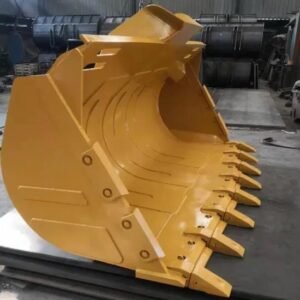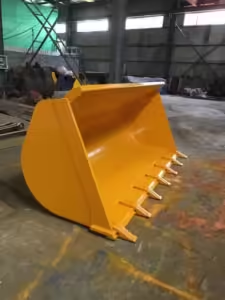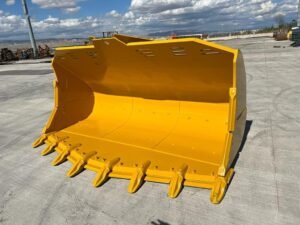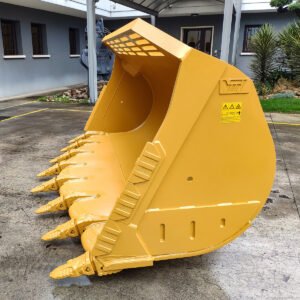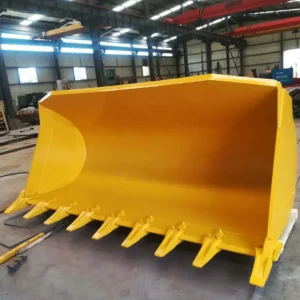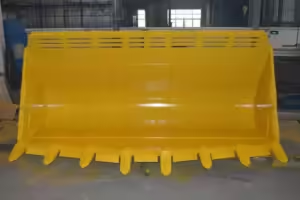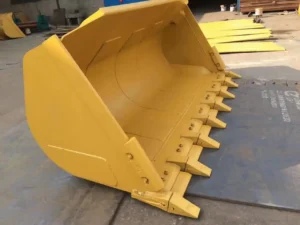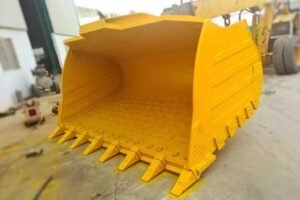
Choosing the correct Excavator Loader Bucket for your machine can mean the difference between a highly efficient jobsite and costly downtime. Whether you’re preparing to tackle a major construction project or optimizing your fleet, understanding how to pair the right bucket with your excavator model is essential. This comprehensive guide will walk you through everything you need to know—from bucket types and sizing to real-world matching strategies.
Before diving into different bucket options, it’s important to understand why the choice matters:
Performance: The right bucket improves digging speed and efficiency.
Durability: A bucket built for the right conditions lasts longer.
Cost Efficiency: Reduces fuel use and operator fatigue.
Safety: Proper attachment avoids machine strain and workplace hazards.
In essence, the right Excavator Loader Bucket ensures your machine performs at peak productivity while minimizing wear and maintenance.
Excavator loader buckets come in various designs to suit specific tasks. Here’s a breakdown of the most common types:
These are the most versatile and widely used buckets on construction sites. They are suitable for general excavation such as digging trenches and breaking up soft to medium-hard soil.
✔ Best for: Light to medium digging
✔ Common projects: Landscaping, trenching, utility work
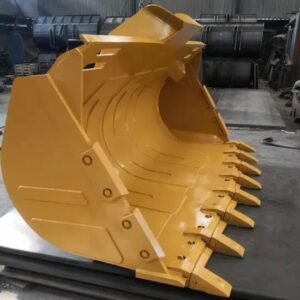
Built with reinforced side cutters, thicker plates, and heavy-duty teeth, rock buckets are designed for tough terrain and hard materials.
✔ Best for: Rocky soil, quarry work
✔ Durability: High, due to reinforced construction
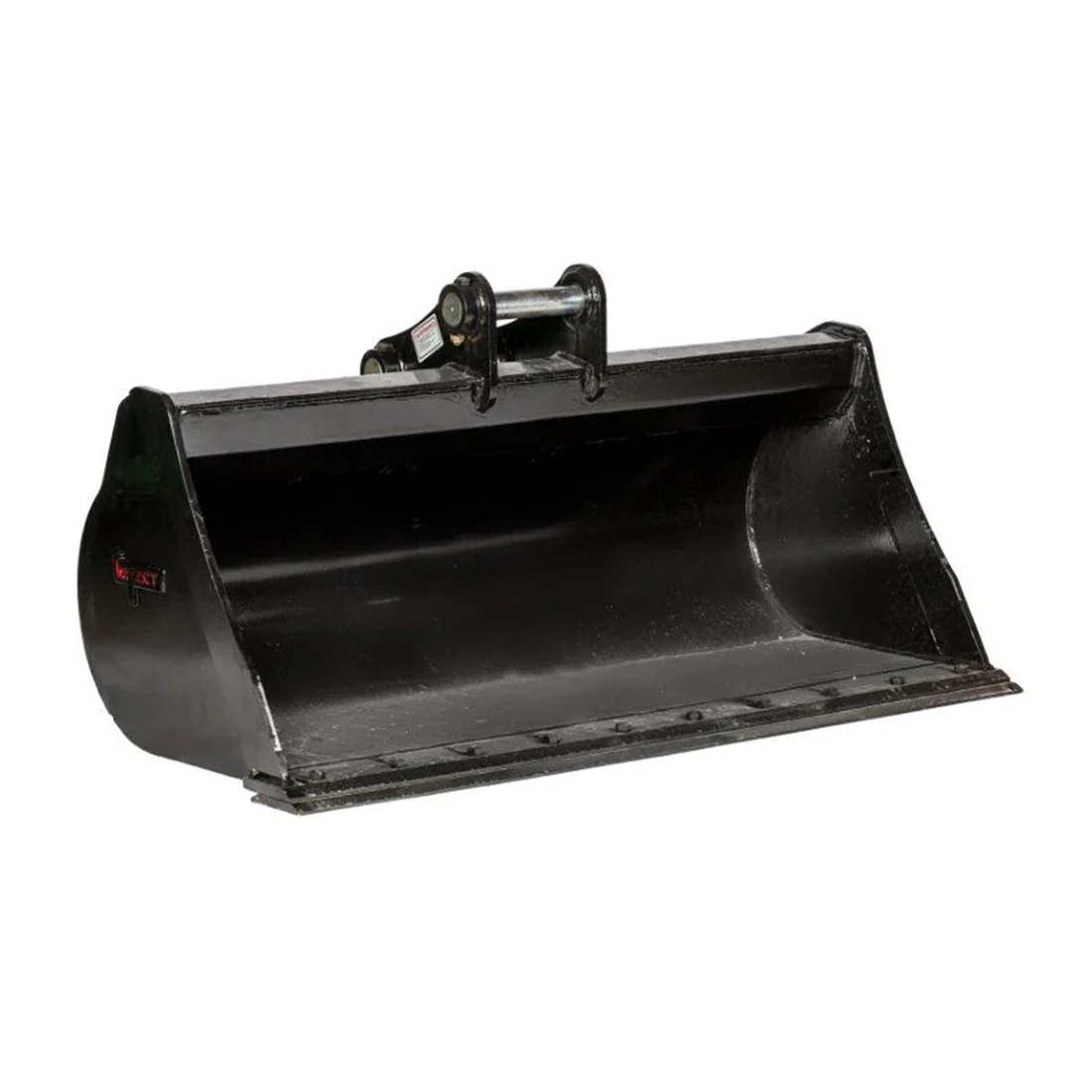
Also known as leveling or ditching buckets, these have a shallower shape and often lack teeth. This allows for smooth grading and backfilling.
✔ Best for: Final grading, topsoil redistributions
These buckets can pivot, allowing operators to grade at an angle without repositioning the machine.
✔ Best for: Slopes, contour grading
✔ Use case: Landscaping, drainage ditches
Similar to standard buckets but with wider widths and larger capacities—these are optimal for materials like mud, clay, or mixed debris.
✔ Best for: Wet, heavy soils
Choosing a bucket isn’t one-size-fits-all. It depends on several factors, including your excavator’s weight class, hydraulic capacity, operational goals, and ground conditions.
Start by identifying your excavator’s:
Operating weight
Hydraulic flow and pressure
Lift capacity
Smaller machines (e.g., mini-excavators) require narrower, lighter buckets, while larger excavators handle heavier and wider buckets.
The size of your bucket is measured by:
Width
Cutting edge length
Capacity (in cubic yards)
Matching these dimensions with your excavator’s capabilities ensures efficiency. For example:
A 1–3 ton mini excavator is ideal with a 6”–24” bucket,
while a 20–30 ton model may be paired with 48”–96” buckets or more.
Overloading a small machine with too large a bucket strains the hydraulics and reduces performance.
Material type plays a big role in bucket selection:
For hard rock or compacted ground:
Choose a heavy-duty rock bucket
Reinforced side cutters and teeth enhance durability
For clay and mud:
A mud bucket with a wider opening reduces clogging
Smooth sides prevent build-up
For landscaping and finishing:
Use a grading bucket
Gives clean, precise cuts and uniform surfaces
Modern excavators often use quick coupler systems. Before purchasing a bucket:
Confirm that it fits your quick coupler standard
Check for pin size and spacing compatibility
Normalize your fleet when possible to reduce attachment swap time
This also helps in maintaining safe and efficient changeovers on the jobsite.
Even with the perfect Excavator Loader Bucket, maintenance is key. Keep these practices in mind:
Check wear on cutting edges, teeth, and side cutters daily.
Teeth and edges wear faster than the bucket body—swap them out before performance drops.
Especially after muddy jobs, cleaning prevents material build-up.
Choosing the right Excavator Loader Bucket isn’t just about size—it’s about matching bucket type, capacity, and machine compatibility to the job’s specific conditions. Whether you’re digging trenches, grading landscapes, or moving heavy material, the correct bucket improves:
Productivity
Fuel efficiency
Jobsite safety
Equipment longevity
Take time to assess your excavator’s specs and your jobsite needs. Investing in the right bucket pays off in performance — and profit.