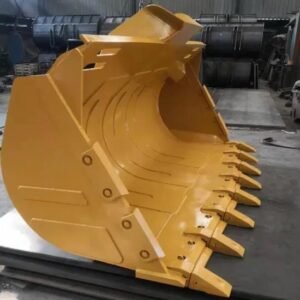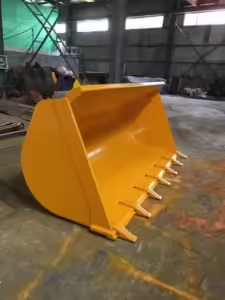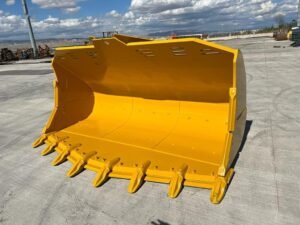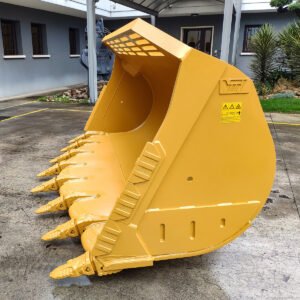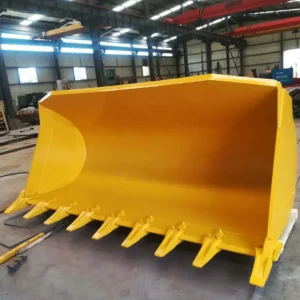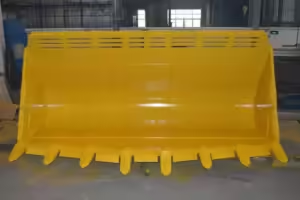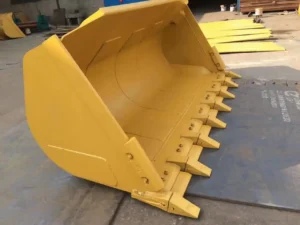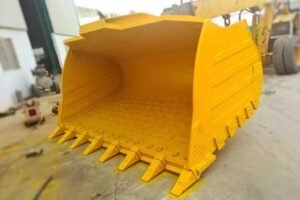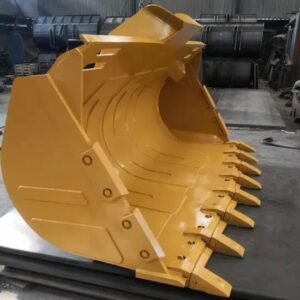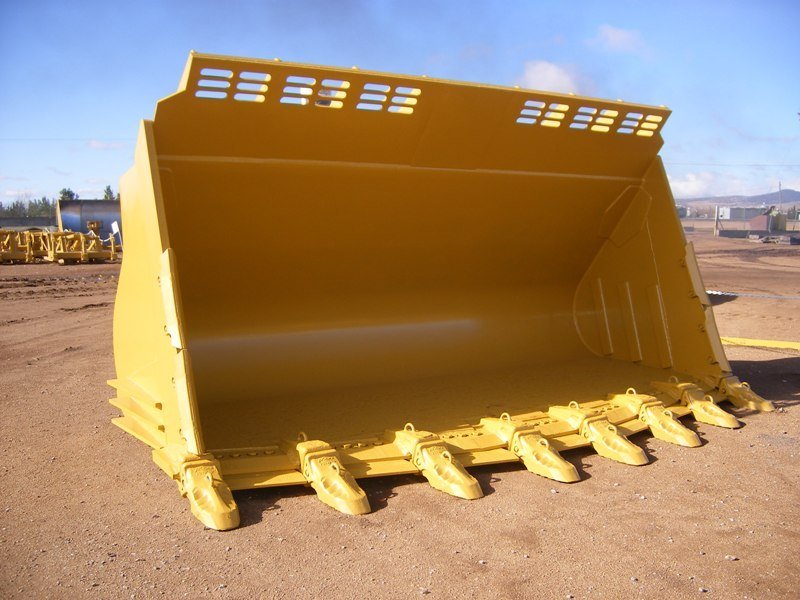
An Excavator Loader Bucket is one of the most hard-working and high-impact parts on your machine. Day in and day out, it digs, scoops, lifts, and transfers heavy material — meaning it’s constantly under stress. But with proactive maintenance focused on durability and performance, you can significantly extend its service life. In this blog, we’ll walk you through essential maintenance tips that help keep your Excavator Loader Bucket in top condition, reduce downtime, and optimize productivity.
Before jumping into maintenance, it’s important to know where wear typically occurs:
Cutting edge — Faces the brunt of abrasion and impact.
Side cutters and wings — Prone to wear during digging or tight turns.
Bucket teeth — Experience heavy abrasion and breakage from rock and debris.
Bucket body — Subject to fatigue and cracking under continuous stress.
Awareness of these weak points helps you create a targeted maintenance routine.
Material stuck inside the bucket can cause corrosion, imbalance, and additional wear. After each job:
Remove caked-on dirt, mud, and debris using water or air pressure.
Pay attention to joints and corners where material accumulates.
Inspect for rust or corrosive damage — especially if working in wet or corrosive environments.
Keeping your Excavator Loader Bucket clean not only extends its life but also enhances efficient operation.
The bucket teeth are consumables — they wear out faster than other parts. To manage them efficiently:
Check daily or weekly depending on workload.
Look for uneven wear, cracks, bent or missing teeth.
Replace worn teeth before they damage the adapter or shank.
Similarly, inspect the cutting edge:
Look for chipping, bending, or thinning metal.
Rotate or replace the cutting edge when wear is significant.
Proper teeth and edge maintenance ensures smooth digging and reduces impact stress on the bucket body and machine.
The pivot pins and hinges on your Excavator Loader Bucket are essential for movement:
Apply lubricant at regular intervals as recommended by your equipment manual.
Use high-quality grease that withstands harsh conditions and load.
Avoid over-greasing as it can attract dust and debris.
Well-lubricated joints reduce friction and wear, preventing premature failure of linkage components.
Cracks begin small but spread quickly under heavy use:
Perform visual inspections daily or weekly.
Use dye penetrant or magnetic particle tests for deeper examination when needed.
Address cracks immediately — weld and reinforce before they compromise the bucket’s integrity.
Ignoring small cracks can lead to bucket failure, costly repairs, and downtime.
For high-impact jobs like rock excavation or demolition, consider:
High-wear steel alloys for the bucket body.
Bolt-on wear plates or liners that can be replaced.
Hardfacing or protective coatings for added abrasion resistance.
These upgrades protect the bucket and extend the lifespan of high-wear areas without constant part replacements.
Maintenance isn’t just about parts — operator behavior matters too. Train operators to:
Avoid prying with the bucket at unfavorable angles.
Reduce aggressive loading on sharp rock edges.
Avoid heavy loads that exceed machine capacity.
Use the right bucket type for each job application.
Proper operating habits reduce impact, abrasion, and unnecessary strain on the Excavator Loader Bucket.
Establish a maintenance log:
Record hours of use.
Note replacements and repairs.
Track wear patterns over time.
This log helps you plan replacements before failures occur, saving money and avoiding unplanned downtime.
When the bucket isn’t attached to the machine:
Store it in a dry, covered area if possible.
Keep it off the ground using wooden blocks to prevent moisture-induced corrosion.
Clean and protect all surfaces before long-term storage.
Proper storage prevents environmental wear, rusting, and deformation.
Sometimes the best maintenance is professional maintenance. Consider partnering with experienced service technicians who:
Understand OEM specifications.
Provide timely part replacements.
Offer quality welding and repair services.
This ensures that your Excavator Loader Bucket always performs safely and effectively.
An Excavator Loader Bucket is a vital asset in construction, mining, and earth-moving operations. Regular maintenance not only boosts its lifespan, but also improves performance, reduces operating costs, and enhances safety. By following these practical tips — from daily cleaning to proper storage — you’ll get more life and value from your investment.