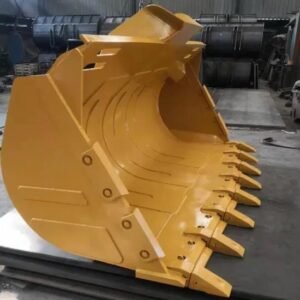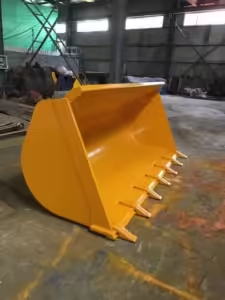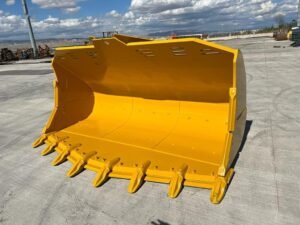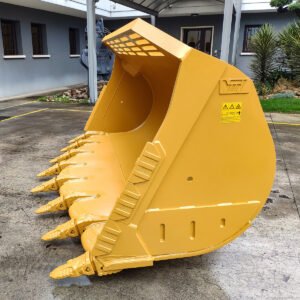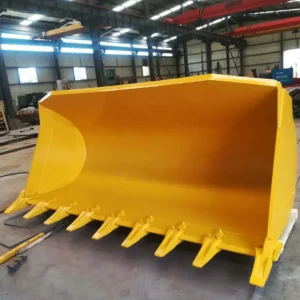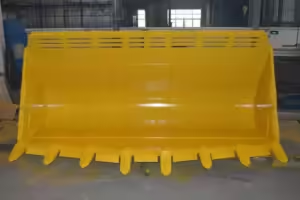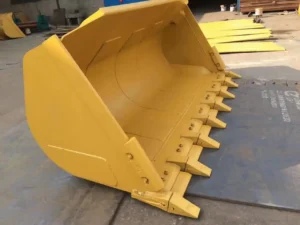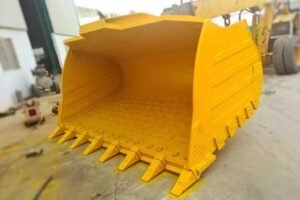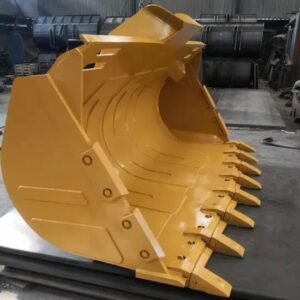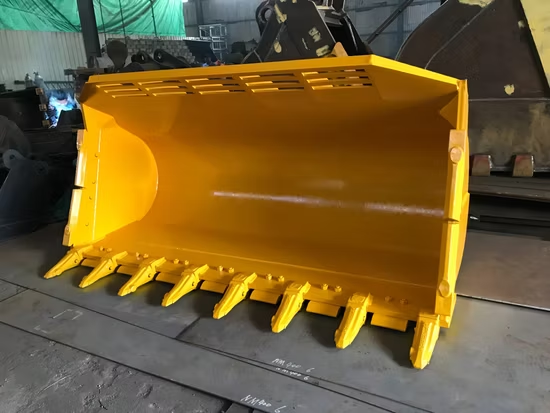
The Excavator Loader Bucket is one of the most hardworking components in heavy construction and earthmoving equipment. Whether you’re digging in rocky soil, shifting gravel, or moving debris, the bucket is constantly exposed to abrasive materials, heavy loads, and extreme stresses. This makes wear and tear inevitable — but not uncontrollable.
Proper maintenance, usage techniques, and wear-prevention strategies can significantly extend the life of your Excavator Loader Bucket. In this blog, we explore practical tips that can save money, reduce downtime, and improve operational efficiency.
Before preventing wear, it’s essential to know why wear occurs:
Abrasion: Frequent contact with sand, gravel, and hard rock erodes the metal surface.
Impact Forces: Striking hard materials at high force weakens bucket edges and teeth.
Corrosion: Moist and chemically aggressive environments can weaken steel.
Overloading: Placing more weight than the bucket’s capacity causes deformation.
Understanding these factors helps in creating a targeted prevention strategy.
Not all Excavator Loader Buckets are created equal. Choosing the correct bucket type and material for your work environment is the first line of defense.
High-Strength Steel: Buckets made from abrasion-resistant steel (AR steel) are more durable against wear.
Reinforced Edges: Thicker cutting edges and wear strips prolong operational life.
Specialized Buckets: Rock buckets, trenching buckets, and heavy-duty buckets are designed for specific tasks — selecting the right one reduces unnecessary stress.
Tip: Match bucket design to job conditions — soft soil demands a different bucket than rocky terrain.
Inspection is not optional — it’s a preventive measure that alerts you to early signs of wear and potential failure.
Before starting work:
Look for cracks, dents, or unusual wear patterns.
Inspect teeth, adapters, and side cutters for looseness or damage.
Check mounting pins and bushings.
Once a week:
Measure bucket wear areas and compare with baseline values.
Look for thinning material on high-friction zones.
Inspect weld joints and reinforcement plates.
Consistent inspections help catch small issues before they become costly repairs.
Many components of an Excavator Loader Bucket are designed as replaceable wear parts:
Teeth bear the brunt of digging and impact:
Replace when worn to maintain digging efficiency.
Use appropriate tooth style for material type (e.g., long-life teeth for hard rock).
These wear rapidly in abrasive environments:
Install bolt-on cutting edges that can be changed easily.
Side cutters can protect bucket corners from accelerated wear.
Using modular wear parts means you only replace specific sections — saving cost and downtime.
Operator behavior matters. Poor operating techniques accelerate wear and tear.
Avoid excessive banging: Don’t force the bucket into hard soil at odd angles.
Use the right digging path: Engage the middle of the bucket, not the sides.
Minimize idle contact: Reduce dragging the bucket on the ground when not digging.
Control load size: Don’t overload the bucket — it stresses teeth, edges, and linkage.
Training operators in efficient handling will extend bucket life dramatically.
While the bucket itself wears from contact with material, linkage points wear from movement and friction.
Regularly grease pins, bushings, and joints.
Check for play or looseness — worn pivot points transfer uneven loads to the bucket.
Replace worn pins before they damage the bucket or linkage.
Proper lubrication ensures smoother movement and reduces stress on the entire attachment system.
Even when not in use, improper storage can accelerate corrosion and wear:
Store buckets off the ground on stable supports.
Keep them covered if exposed to rain or moisture.
During transport, secure buckets firmly to prevent impact damage.
Good storage habits protect your investment during downtime.
To further guard your Excavator Loader Bucket:
Rubber liners can protect against abrasive soils.
Hardfacing welds on high-wear surfaces increase resistance.
Wear plates can be added to interior surfaces to slow down material abrasion.
These upgrades add life even in the most demanding conditions.
The Excavator Loader Bucket is essential, versatile, and heavily used — but wear and tear doesn’t have to be a constant liability. With the right selection, maintenance, operating practices, and protection strategies, you can significantly extend the service life of your bucket while improving performance and lowering operational costs.
When you invest time in prevention, your equipment delivers more value — job after job.