In the era of rapid urbanization and growing environmental awareness, sustainable construction practices have become more than just a trend—they are a necessity. With the global construction industry responsible for significant energy consumption and carbon emissions, adopting eco-friendly methods and efficient equipment is critical to reducing environmental impact. Among the essential machinery in construction and earthmoving projects, the Excavator Loader Bucket plays a crucial role in enhancing sustainability while maintaining productivity and cost-effectiveness.
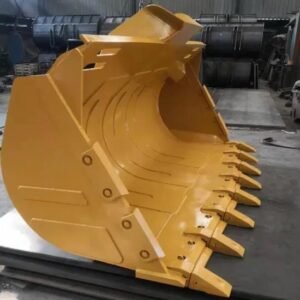
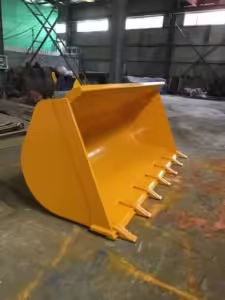
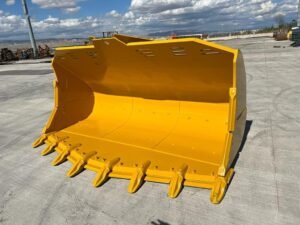
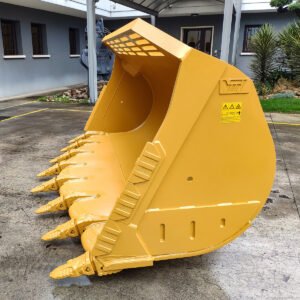
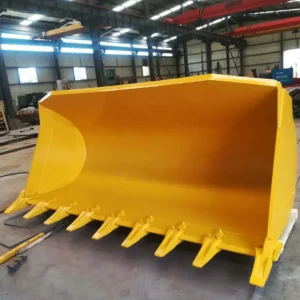
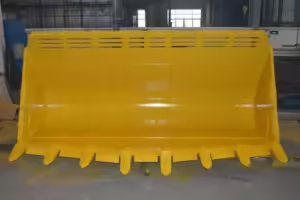
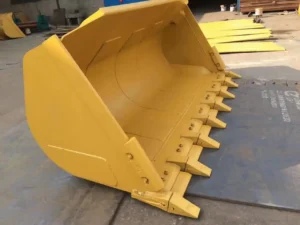
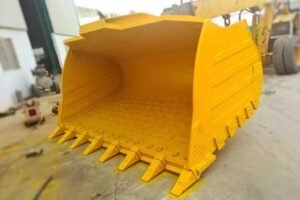
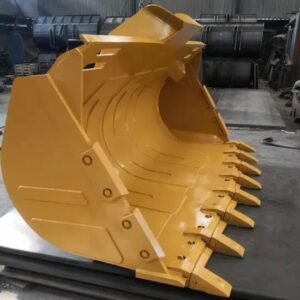
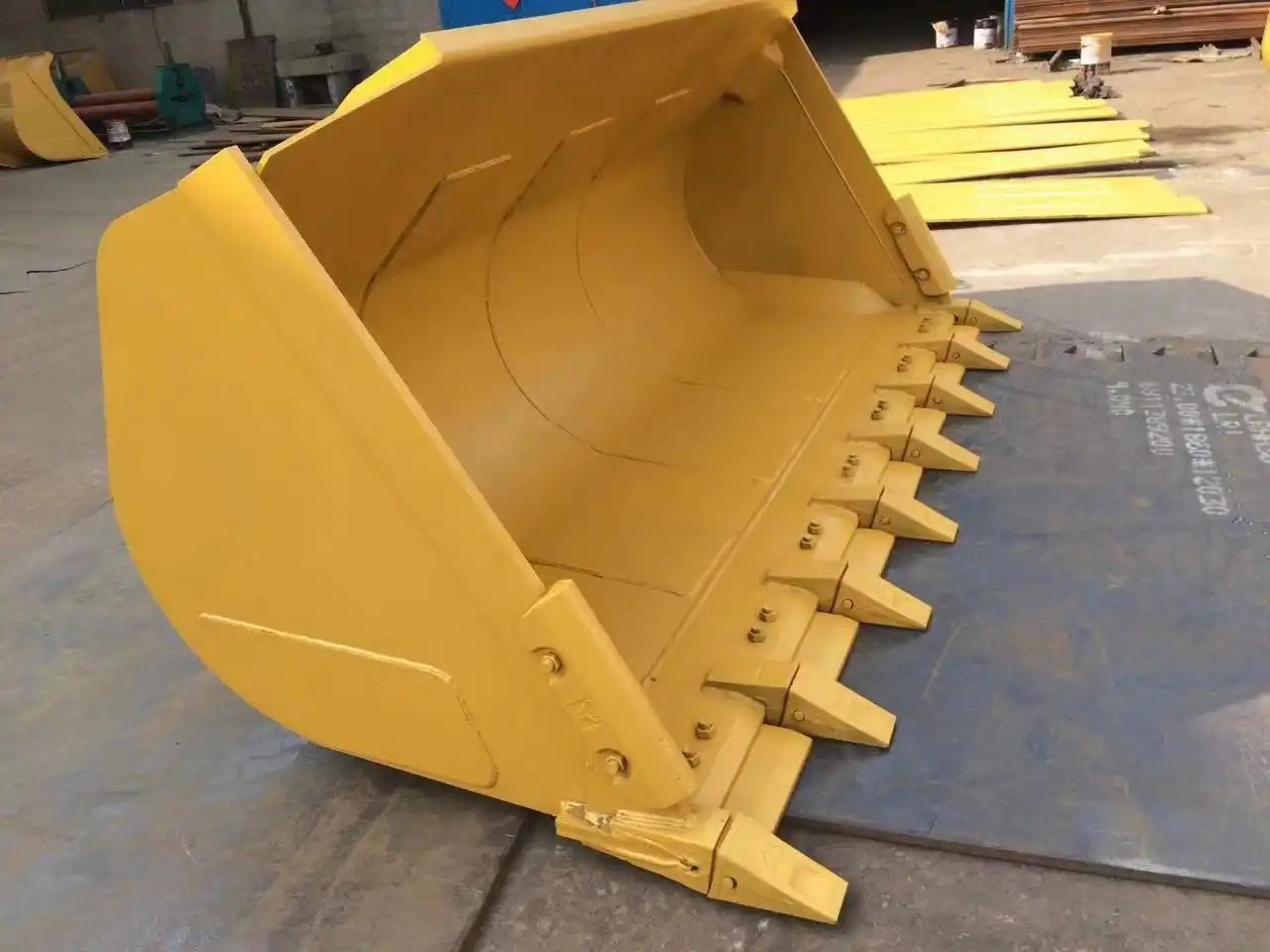
An Excavator Loader Bucket is an attachment used on excavators and loaders, primarily designed to scoop, lift, carry, and transport soil, gravel, sand, debris, and other materials on construction sites. These buckets come in various sizes, shapes, and configurations depending on the job’s nature—from standard digging buckets to heavy-duty rock buckets and specialized tilt or skeleton buckets for precision tasks.
While excavator loader buckets might seem like simple components of heavy machinery, their design and functionality have a substantial impact on operational efficiency and environmental sustainability. Modern advancements have made these buckets more versatile, durable, and energy-efficient—key criteria for sustainable construction.
One of the most significant contributions of the Excavator Loader Bucket to sustainable practices is its ability to increase operational efficiency. Efficient material handling means fewer machine hours, lower fuel consumption, and reduced greenhouse gas emissions.
Advanced bucket designs improve digging performance and dumping precision, reducing the time a machine needs to be engaged in repetitive tasks. For example:
High-Capacity Buckets: These allow more material to be moved per scoop, cutting down the number of cycles and waiting periods.
Teeth and Cutting Edges: Enhanced teeth and cutting edge designs reduce resistance during digging, leading to smoother operations and less fuel usage.
Wear Protection: Reinforcements like wear plates and abrasion-resistant materials increase bucket lifespan and decrease the frequency of replacements—reducing manufacturing impacts.
When the excavator loader bucket is efficient, operators can complete tasks with fewer passes and shorter machine idling times, directly contributing to lower CO₂ emissions.
Construction waste can be a major sustainability challenge, leading to unnecessary material disposal and higher costs. A precisely designed Excavator Loader Bucket helps reduce waste in several ways:
Accurate Excavation: Advanced bucket designs help operators excavate with greater precision, minimizing over-digging and unnecessary soil displacement.
Material Segregation: Specialized bucket types, like skeleton buckets, can separate reusable materials (like rocks and debris) from soil, promoting recycling and better waste management.
Controlled Loading: Buckets with stronger edges and improved geometry enable better grip and controlled unloading, preventing spillage and material loss.
This level of control not only minimizes resource wastage but also enhances site safety by significantly reducing unnecessary cleanup and handling.
The performance of an Excavator Loader Bucket is intrinsically linked to the machinery it attaches to. Modern construction projects increasingly adopt hybrid and electric excavators. In this context, the bucket’s design becomes even more crucial.
Compatibility with Low-Emission Machines: Today’s bucket designs are tailored to work seamlessly with low-emission and electric excavators, maximizing their performance capabilities.
Reduced Fuel Needs: Efficient bucket operations support engines in maintaining optimal power usage, which is especially beneficial for hybrid systems that balance power between electric and diesel sources.
Lower Noise Pollution: Precise and smooth bucket operations result in quieter site performance, which is essential for urban construction areas where noise pollution is a concern.
The synergy between efficient bucket attachments and clean machinery is a cornerstone of sustainable construction equipment design.
Durability is a significant indicator of sustainability. The longer a piece of equipment can be used without replacement, the lower its overall environmental impact. Excavator Loader Buckets built with robust materials and enhanced engineering reduce the need for frequent manufacturing cycles and replacements.
High-Strength Alloys: Using stronger alloys for cutting edges and structural components decreases wear and tear, even under demanding work environments.
Repair-Friendly Features: Some bucket designs allow for replaceable teeth, edges, and wear components, extending the service life and reducing material waste.
Recyclability: At the end of their lifecycle, quality buckets can often be recycled, repurposing valuable metals and reducing landfill waste.
These factors contribute to a circular economy model where construction equipment supports both performance and sustainability goals.
In addition to efficiency and durability, the Excavator Loader Bucket supports broader sustainable practices on construction sites:
Reduced Site Disturbance: Precision buckets help limit unnecessary land disturbance, protecting ecosystems and reducing soil erosion.
Improved Water Management: By facilitating accurate grading and leveling, quality buckets assist in better water runoff control and drainage planning.
Fuel and Emission Monitoring: Integration with smart sensors and telematics allows real-time tracking of performance metrics, helping project managers optimize fuel usage and reduce carbon footprint.
Through these practices, the humble excavator loader bucket becomes an integral part of a comprehensive sustainability strategy.
While often overlooked amidst larger machinery and technologies, the Excavator Loader Bucket plays a pivotal role in advancing sustainable construction practices. From enhancing efficiency and precision to reducing waste and supporting eco-friendly equipment, these seemingly simple attachments are powerful tools for greener building.
As the industry continues to evolve, investing in high-quality, innovative bucket designs isn’t just smart—it’s essential for achieving environmental stewardship without compromising productivity. For contractors, project managers, and equipment manufacturers alike, prioritizing efficient excavator loader buckets is a step toward a more sustainable future in construction.