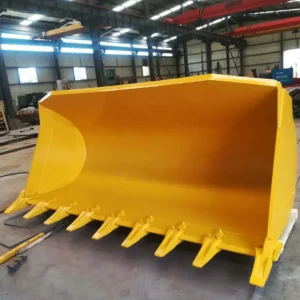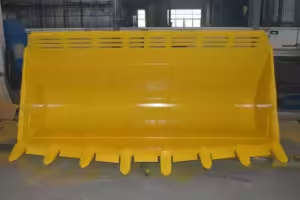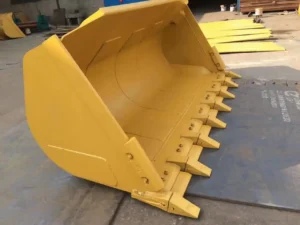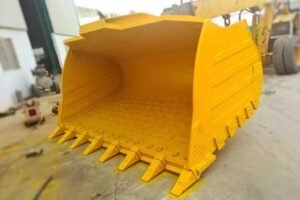
In the construction and earthmoving industry, equipment performance isn’t just about horsepower or brand names—it’s about how efficiently tools and attachments perform under real-world conditions. One often overlooked component that can drastically influence productivity and efficiency is the excavator loader bucket. This case study explores how adopting advanced loader bucket solutions transformed site efficiency and operational outcomes on a large-scale project.
Loader buckets are essential attachments for excavators, designed to scoop, carry, and dump materials like soil, gravel, and debris. While traditional buckets perform basic duties, excavator loader buckets engineered with modern innovations offer significant improvements in capacity, durability, and operational efficiency. This transformation was evident in a recent infrastructure project where a mid-sized contractor faced challenges in meeting deadlines and optimizing resource utilization.
The case in point involves a mid-tier construction company tasked with building a municipal roadway extension. With tight deadlines and challenging soil conditions—including clay-heavy earth and mixed debris zones—the company relied on standard excavators with conventional buckets. However, progress was slower than anticipated, and the operations team observed rising fuel costs and increased equipment wear.
Stakeholders pinpointed inefficient material handling as a core bottleneck—especially during earthmoving and site clearance phases. This initiated an evaluation to determine whether upgrading to advanced excavator loader bucket designs could bridge the performance gap.
Before the intervention, the construction site experienced several recurring issues:
Reduced Cycle Times: Standard buckets had limited fill capacity and required multiple passes to move bulk material.
Frequent Downtime: Wear and tear from abrasive soils accelerated maintenance needs.
Fuel Inefficiency: Longer operation times translated into higher fuel consumption and operational costs.
Operator Fatigue: The extra time and effort required to complete tasks increased stress on operators, impacting morale and precision.
These challenges indicated that the conventional loader buckets were not well-suited for the demanding conditions of the project. The management sought a solution that could increase throughput without putting undue strain on machinery or personnel.
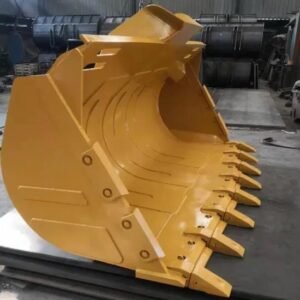
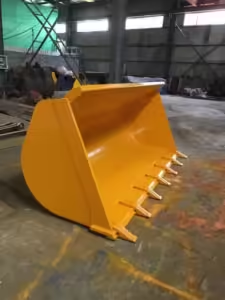
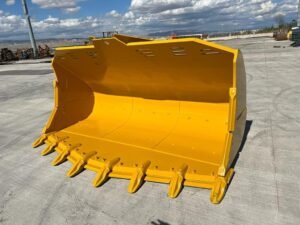
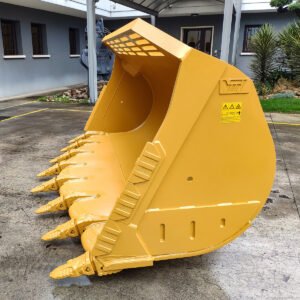
After consulting with equipment experts, the team invested in a series of advanced excavator loader buckets designed with the following enhancements:
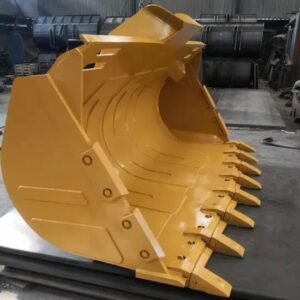
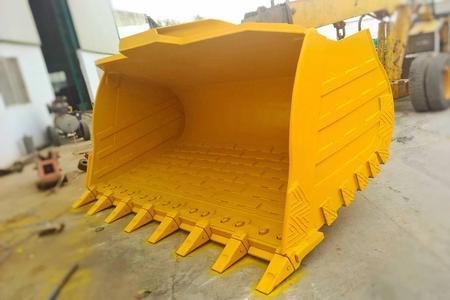
Optimized Shape and Geometry: Redesigned bucket lips and curvature improved material collection and reduced fallback during scooping.
High-Strength Materials: Reinforced steel and wear-resistant edges extended bucket life in abrasive soil conditions.
Increased Volume Capacity: Larger effective capacity allowed more material to be moved per cycle.
Adaptive Tooth Systems: Interchangeable and durable tooth edges facilitated penetration into compacted soil layers.
These features collectively improved loading efficiency, reduced downtime, and enhanced machine performance without necessitating additional equipment.
Once the advanced excavator loader buckets were deployed, the operations team outlined a phased approach:
Training and Calibration: Operators received brief on handling new buckets and identifying optimal loading angles for increased efficiency.
Performance Monitoring: Metrics were established to track cycle times, fuel usage, and maintenance intervals.
Continuous Feedback Loop: Daily reports from operators helped fine-tune usage strategies and address any installation or handling issues.
This methodical rollout ensured a smooth transition and immediate insight into the performance gains enabled by the bucket upgrade.
After six weeks of operation with the advanced excavator loader bucket technology, the project delivered measurable improvements:
Cycle time reduction averaged 18% due to better material retention and quicker fill rates.
The team reported moving up to 25% more material per hour compared to operations with standard buckets.
Shorter operational cycles translated directly into a fuel consumption drop of 12%, saving significant costs over the project duration.
High-strength materials and wear-resistant edges meant less frequent repairs and fewer bucket replacements, reducing downtime by nearly 30%.
Operators appreciated the improved control and reduced effort needed to perform loading tasks, leading to better ergonomics and fewer errors on site.
This case reinforces that investing in advanced attachments like a high-performance excavator loader bucket can yield substantial returns:
Match equipment to application: Choose loader buckets engineered for site-specific conditions.
Include operators in the transition: Training ensures teams extract full value from equipment upgrades.
Monitor performance metrics: Data-driven adjustments help sustain gains and inform future procurement decisions.
In the competitive landscape of construction and earthmoving, operational efficiency defines project success. The adoption of advanced excavator loader bucket solutions on this municipal roadway project exemplifies how equipment optimization can drive productivity, reduce costs, and improve overall project outcomes.
For contractors looking to enhance site performance, reevaluating attachment technology—especially the excavator loader bucket—is a strategic step toward smarter, more efficient operations.