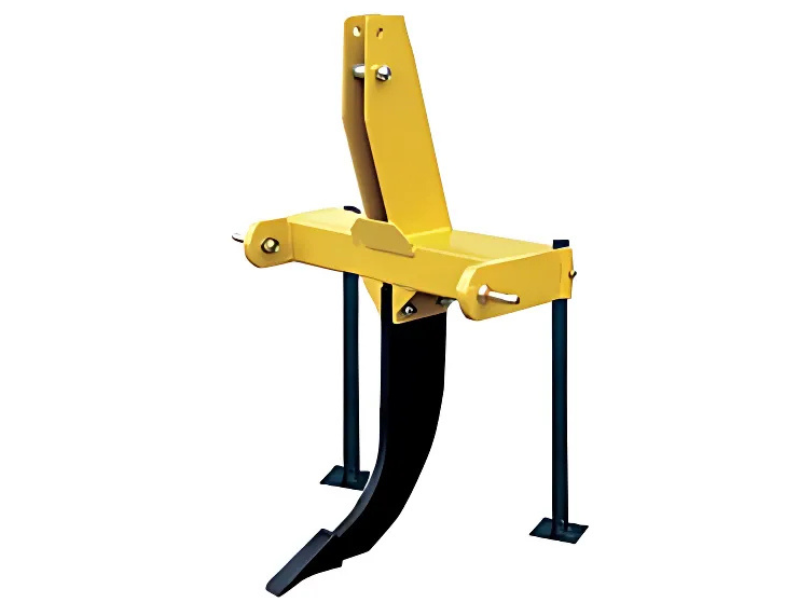
When it comes to boosting excavation efficiency and handling tough ground conditions, choosing the right ripper attachment plays a crucial role. Among the many options available today, the Excavator Single Shank Ripper stands out for its unmatched penetration power, soil-breaking capability, and durability. But once you decide to invest in one, the bigger question arises—should you choose an OEM ripper or go for an aftermarket solution?
Both OEM (Original Equipment Manufacturer) and aftermarket rippers have their advantages and limitations. The “best” option depends on your machine model, project type, budget, and performance expectations. This blog breaks down the key differences to help you make a confident and informed decision.
OEM rippers are manufactured by the same company that built your excavator. These are designed to match the machine’s hydraulic power, breakout force, and structural specifications.
OEM attachments are engineered specifically for certain excavator models. This ensures precise fitting, proper alignment, and seamless operation.
The metallurgy and build quality follow strict manufacturer standards, delivering long-term durability even in harsh working conditions.
OEM rippers typically come with reliable warranty coverage and authorized service support, giving you peace of mind.
Because they are built for your exact machine, OEM rippers often offer smooth operation, maximum productivity, and lower fuel consumption.
Higher cost compared to aftermarket options
Limited customization
Longer delivery times, especially for rare models
Aftermarket rippers are produced by third-party manufacturers, not affiliated with the excavator brand. They are widely available and come in many variants and price ranges.
Aftermarket rippers can be 20–40% cheaper than OEM options, making them ideal for budget-conscious buyers.
With multiple brands in the market, you can easily find an Excavator Single Shank Ripper suitable for any excavator model.
Many aftermarket manufacturers offer custom shank length, tooth type, material grade, and reinforcement options.
Reputable aftermarket brands use high-strength steel, heat-treated components, and advanced fabrication techniques, delivering performance close to or equal to OEM.
Quality varies depending on the manufacturer
Lower warranty support in some cases
Possibility of compatibility issues if not purchased from a reliable supplier
The choice between OEM and aftermarket depends on your use case:
You want guaranteed compatibility
Warranty and brand assurance matter to you
Your excavation work involves heavy, continuous, high-stress operations
You prefer long-term reliability over upfront savings
You need a budget-friendly Excavator Single Shank Ripper
You want faster availability
You require customization for specific soil conditions
You trust a known and reputable aftermarket manufacturer
Rocky, frozen, and compact layers need a high-strength, reinforced shank.
Ensure the ripper is built for your excavator’s tonnage and breakout force.
Look for high-tensile steel, Hardox plates, and heat-treated components.
Always check reviews, product specifications, and customer feedback.
A good warranty ensures long-term protection.
There is no one-size-fits-all answer—but both OEM and aftermarket rippers offer great value depending on your project needs. If you prioritize guaranteed performance and long-term durability, OEM is a solid investment. However, if you want flexibility, affordability, and faster access to equipment, a high-quality aftermarket Excavator Single Shank Ripper is often the smarter choice.
Before you buy, evaluate your machine, the job requirements, and your long-term operational costs. Making the right choice ensures your excavator performs at its peak—saving time, money, and maintenance in the long run.