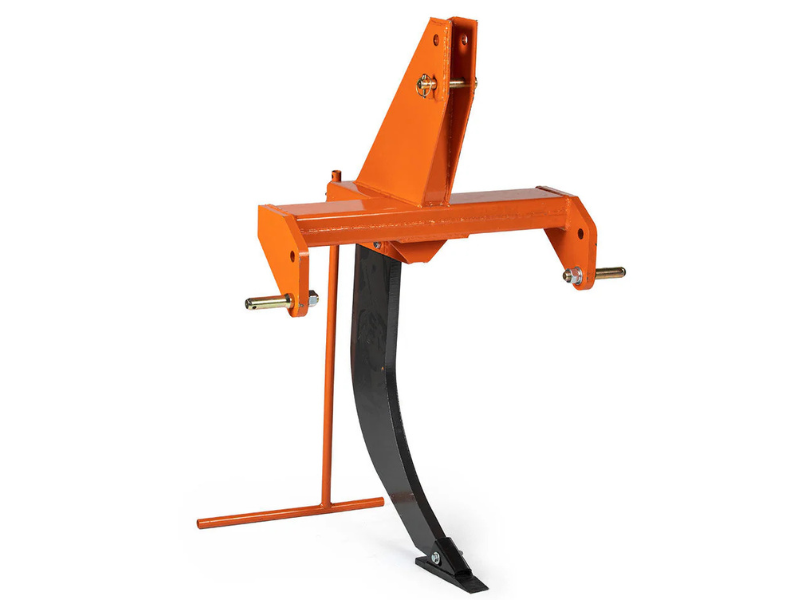
When it comes to heavy-duty excavation, few attachments endure as much stress and punishment as a Excavator Single Shank Ripper. Designed to tear through compacted soil, rock, asphalt, or frozen ground, a ripper’s effectiveness depends heavily on two critical factors — steel grade and build quality. While these might sound like technical details, they make all the difference in performance, lifespan, and cost-efficiency of your equipment.
An Excavator Single Shank Ripper is a specialized tool used to break up hard ground and materials that a standard bucket cannot handle. The single shank (or tooth) design allows it to concentrate force on a small area, making it ideal for loosening tough surfaces before excavation or loading. Because it faces extreme stress at every operation cycle, material strength and quality craftsmanship are non-negotiable.
The steel grade used in a ripper attachment directly influences its durability, tensile strength, and wear resistance. Different grades of steel are formulated for specific conditions — some prioritize hardness, others toughness or flexibility. Choosing the right balance of these properties ensures that the ripper can withstand repetitive impact and abrasion.
High Tensile Alloy Steel (e.g., 400–500 HB): Offers exceptional wear resistance and toughness, ideal for rocky terrains.
Boron Steel: Known for its high strength and ability to resist cracking even under continuous stress.
Heat-Treated Carbon Steel: Provides a balance of hardness and flexibility, often used for general-purpose ripping tasks.
A high-grade steel ripper will resist deformation, cracking, and premature wear — allowing consistent performance and reducing the frequency of repairs or replacements.
Even the best steel can fail if not properly heat-treated. Heat treatment enhances the internal structure of the steel, ensuring uniform hardness and strength throughout the component. This process prevents brittleness in the shank and tooth while ensuring the material retains enough toughness to absorb shocks during heavy operations.
A well-treated Excavator Single Shank Ripper can handle continuous impact forces from the excavator’s hydraulic system without bending or chipping. In contrast, an untreated or poorly treated ripper may quickly develop cracks, leading to costly downtime.
The build quality of a ripper attachment refers to how well the steel components are fabricated, welded, and assembled. Each weld joint and cut affects the attachment’s strength and performance.
Precision Welding: Ensures seamless stress distribution during operation. Poor welds can become failure points.
Reinforced Gussets and Mounting Plates: Improve the attachment’s rigidity and resistance to torsional stress.
Tooth Design and Replaceability: A high-quality ripper tooth with replaceable tips extends overall lifespan and ensures better penetration.
Proper Alignment: Ensures the shank’s force is effectively transferred without unwanted vibration or stress on the excavator arm.
A well-built Excavator Single Shank Ripper not only enhances digging efficiency but also protects the excavator from excess vibration and strain.
Here’s how these two factors directly influence your project outcomes:
| Aspect | High-Quality Steel & Build | Low-Quality Steel & Build |
|---|---|---|
| Durability | Long-lasting, resists wear | Prone to cracks and early wear |
| Efficiency | Better penetration & ripping speed | Requires more effort & fuel |
| Maintenance | Lower frequency of repairs | Frequent downtime & part replacements |
| Cost-Effectiveness | Higher initial cost, long-term savings | Lower initial cost, higher lifetime cost |
The takeaway? Investing in superior steel and craftsmanship saves time, fuel, and maintenance costs over the long term — and increases productivity across multiple job sites.
When purchasing an Excavator Single Shank Ripper, consider:
Steel Grade Certification: Ensure the manufacturer provides details of steel composition and treatment.
Welding and Fabrication Standards: Look for consistent, clean welds and structural reinforcements.
Tooth Quality: Opt for hardened or replaceable tips to maintain ripping efficiency.
Compatibility: Make sure the ripper matches your excavator’s operating weight and hydraulic capacity.
Partnering with a trusted manufacturer ensures you get an attachment that performs reliably even in the harshest conditions.
In the world of excavation, the Excavator Single Shank Ripper is an unsung hero — breaking through layers of rock and compacted earth with raw power. But behind that power lies the science of metallurgy and engineering precision. The steel grade defines its toughness; the build quality determines its lifespan. Together, they shape how efficiently your excavator can conquer tough terrain.
Choosing a ripper built from high-grade steel and superior workmanship isn’t just a matter of preference — it’s a smart investment in long-term performance, safety, and operational efficiency.