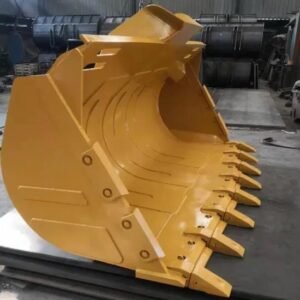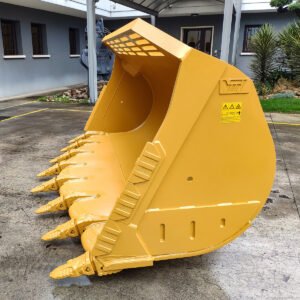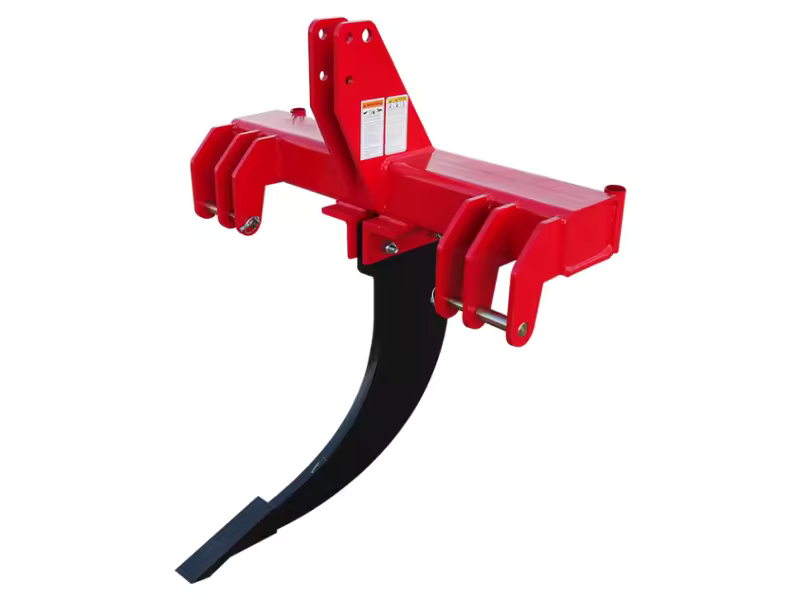
The Excavator Single Shank Ripper is one of the most powerful attachments for breaking tough ground, rocks, and hard soil. Known for its efficiency and strength, it helps reduce excavation time and wear on other attachments like buckets. However, even with its rugged design, improper use can lead to reduced productivity, premature wear, and costly repairs.
To ensure you get the best performance out of your ripper, it’s essential to understand the common mistakes operators make while using a Single Shank Ripper — and how to avoid them.
Not all rippers are created equal. Some are designed for medium-density soil, while others are made for breaking hard rock. One of the biggest mistakes operators make is using a standard Excavator Single Shank Ripper for extremely hard conditions like granite or reinforced concrete.
This not only strains the attachment but can also damage the excavator’s boom and hydraulic system.
Pro Tip:
Always match the ripper specification with the material type. For hard rock, use a heavy-duty or reinforced ripper with high-tensile steel construction.
The tooth or tip of the ripper is where all the force is concentrated. When operators fail to maintain the correct penetration angle, the ripper either skims the surface or digs too deep, leading to inefficient ripping and excess stress on the excavator arm.
The ideal ripping angle ensures maximum force transfer without overloading the machine.
Improper tooth positioning can also cause uneven wear on the shank and tooth, reducing their lifespan.
Pro Tip:
Maintain a consistent ripping angle (usually between 30°–45°) depending on the soil type. Always ensure the ripper tooth is in proper contact with the ground before applying full force.
Pushing the excavator beyond its capacity is a common mistake, especially when operators try to finish the job faster. Overloading not only wears out the Excavator Single Shank Ripper but also stresses the boom, stick, and hydraulic components.
Signs of overloading include slow hydraulic response, jerky movements, and unusual noises during operation.
Pro Tip:
Let the ripper do the work. Use steady, controlled pressure instead of sudden jerks or high breakout forces. This ensures smoother ripping and longer machine life.
Like any other attachment, the Single Shank Ripper requires routine maintenance. Many operators ignore regular inspections, assuming the attachment is built to handle anything. However, loose bolts, worn-out teeth, or cracked welds can quickly escalate into serious mechanical issues.
Pro Tip:
Inspect the ripper before and after every shift. Pay attention to the tooth tip, shank body, and mounting points. Replace worn parts promptly to prevent damage to the excavator linkage.
Each terrain demands a different operating technique. Trying to rip through rocky layers using the same approach as clay or compacted soil is inefficient and potentially damaging. Some operators also fail to identify underground obstructions, which can cause sudden impact damage.
Pro Tip:
Analyze the terrain before operation. Adjust the ripping depth and speed according to the ground condition. For very hard material, make multiple shallow passes instead of one deep cut.
Speed plays a crucial role in effective ripping. Moving too fast causes loss of traction and uneven ripping, while moving too slow wastes fuel and time. The key is to find the optimal balance between travel speed and penetration force.
Pro Tip:
Operate at moderate speeds. High-speed ripping is less effective and increases wear on both the Excavator Single Shank Ripper and the machine’s undercarriage.
Even with the best equipment, lack of proper operator training often leads to inefficiency and premature wear. Misjudging depth, incorrect angling, or poor control techniques can reduce output and increase maintenance costs.
Pro Tip:
Invest in proper training for all excavator operators. Understanding the mechanical limits and best operating practices of the Single Shank Ripper leads to safer, faster, and more cost-effective operations.
The tooth is the most critical part of the ripper, responsible for penetrating hard surfaces. Many operators delay replacing worn or blunt teeth to save costs, not realizing it drastically reduces performance and increases fuel consumption.
Pro Tip:
Replace the ripper tooth when it loses more than 25% of its original shape or sharpness. This keeps the penetration efficient and protects the shank from excess stress.
The Excavator Single Shank Ripper is a game-changer for heavy-duty excavation and demolition tasks — but only when used correctly. Avoiding these common mistakes not only enhances productivity but also extends the lifespan of your equipment.
By paying attention to factors like proper angle, load management, maintenance, and operator skill, you can ensure the ripper delivers maximum efficiency in every project.