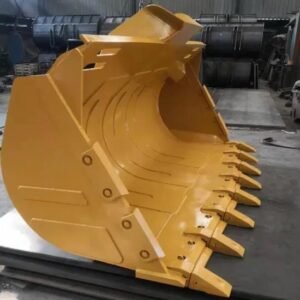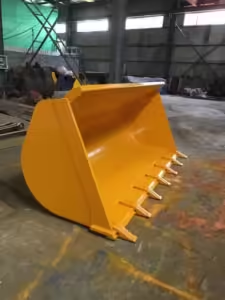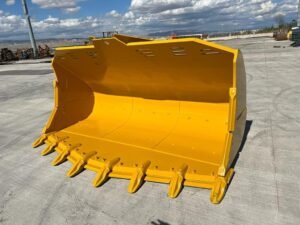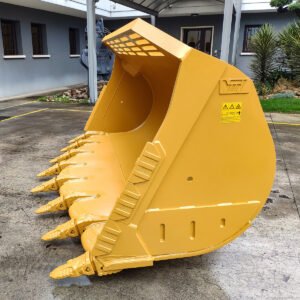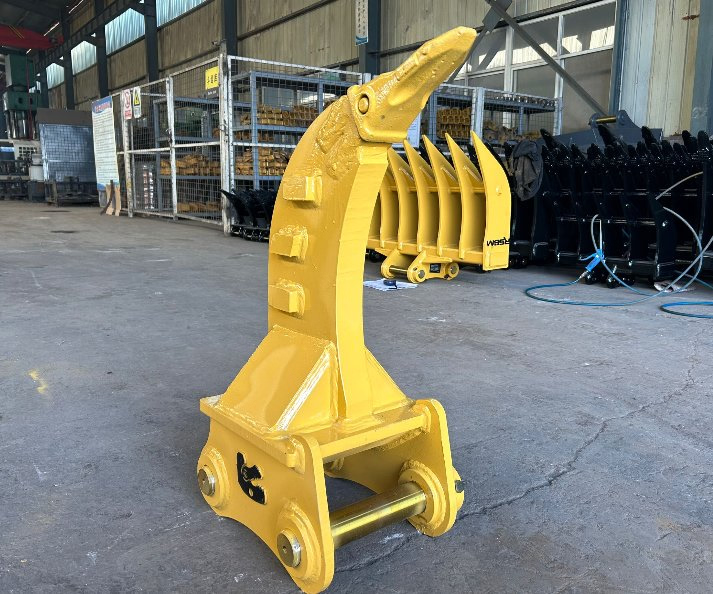
An Excavator Single Shank Ripper is one of the most powerful and essential attachments in the earthmoving and construction industry. Designed to break through compacted soil, frozen ground, rocks, and other tough materials, this attachment transforms an excavator into a high-performance ripping machine. However, like any heavy-duty equipment, its performance and lifespan largely depend on how well it is maintained. Proper care not only ensures consistent performance but also reduces downtime and long-term repair costs.
Below are some essential maintenance tips to extend the life of your Excavator Single Shank Ripper and keep it in optimal working condition.
Regular inspection is the first step toward effective maintenance. Before and after every operation, check the ripper shank, tooth, and mounting pins for signs of wear, cracks, or deformation. The tooth tip, in particular, endures the most stress and can wear down quickly when used on hard materials.
Tip: Replace worn-out teeth immediately to prevent excessive strain on the shank and excavator arm.
Consistent inspections help catch early warning signs before they turn into major mechanical failures.
Proper lubrication minimizes friction and prevents corrosion. The pivot points, pins, and bushings of your Excavator Single Shank Ripper should be greased regularly, especially in dusty or wet environments. Use manufacturer-recommended lubricants for best results.
Always clean grease fittings before applying fresh lubricant.
Avoid over-greasing, as it can attract dust and debris, leading to accelerated wear.
Routine lubrication ensures smooth operation and reduces the chances of mechanical binding.
Vibration and constant stress can loosen bolts, nuts, and pins over time. Loose fittings may lead to misalignment or even breakage during heavy operations.
Perform a torque check at regular intervals and ensure all fasteners are tightened according to the manufacturer’s specifications.
For safety and performance, always use genuine replacement bolts and locking pins designed for your Excavator Single Shank Ripper model.
The ripper tooth is the main contact point with the ground, making it the most vulnerable component. A blunt or damaged tooth can drastically reduce ripping efficiency, increase fuel consumption, and cause excessive wear on other parts.
Check the ripper tooth daily and replace it when wear exceeds 50% of its original thickness.
Use high-quality hardened steel teeth for longer life and better performance.
Replacing teeth on time keeps your ripper efficient and protects the excavator’s hydraulic system from undue strain.
Mud, rock debris, and other residues can stick to the ripper shank and tooth, accelerating corrosion and rust formation. Cleaning after each use not only keeps the attachment looking professional but also makes it easier to spot early signs of damage.
Use a high-pressure washer or air hose to remove debris from the crevices, paying special attention to the joints and mounting areas.
If the Excavator Single Shank Ripper will not be used for an extended period, proper storage is crucial. Store it in a dry, covered area away from direct sunlight and moisture.
Apply a protective layer of oil or grease on metal surfaces to prevent rusting.
Ensure it’s placed on a stable, level surface to avoid accidental tipping or bending.
Correct storage extends the service life of the ripper and ensures it’s ready for immediate use when needed.
Every brand and model of Excavator Single Shank Ripper comes with specific maintenance guidelines. Following the manufacturer’s maintenance schedule ensures that you use the correct intervals for inspections, part replacements, and lubrication.
Neglecting these intervals may void the warranty or lead to expensive repairs later. Keeping a maintenance log also helps track the ripper’s condition over time.
Proper operation is as important as maintenance. Avoid using the ripper for unintended purposes such as prying or lifting heavy rocks that exceed the excavator’s capacity. Overloading the attachment can lead to bending or cracking of the shank.
Train operators on correct ripping angles and techniques to minimize stress on the tool and improve overall productivity.
An Excavator Single Shank Ripper is a valuable asset for any construction or mining operation. By following these maintenance practices—regular inspection, timely part replacement, proper lubrication, and safe operation—you can significantly extend its life and ensure consistent, powerful performance.
Taking care of your ripper not only saves money but also maximizes productivity and reduces unexpected downtime on site.