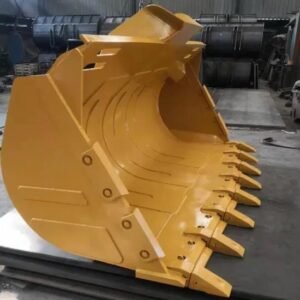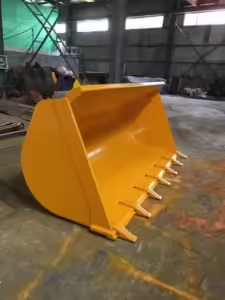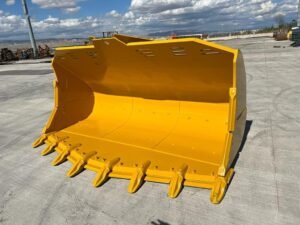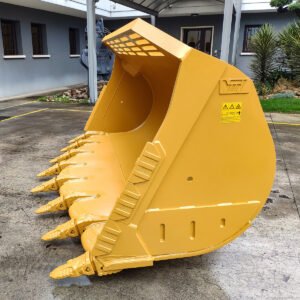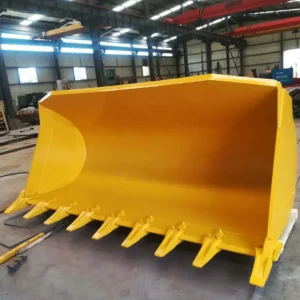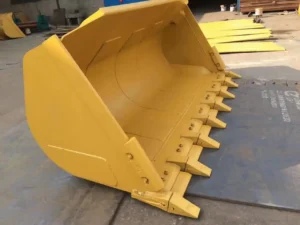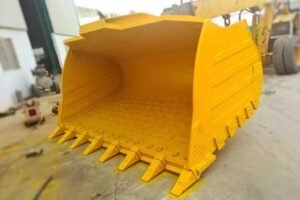
When it comes to heavy-duty excavation, the right attachment can make a world of difference. Among the most critical attachments for breaking through tough soil, rock, or frozen ground are ripper tools. Excavator operators often face the choice between a Ripper Tooth and an Excavator Single Shank Ripper. Both have their advantages, but understanding their differences is crucial to maximizing efficiency, minimizing wear, and getting the job done faster.
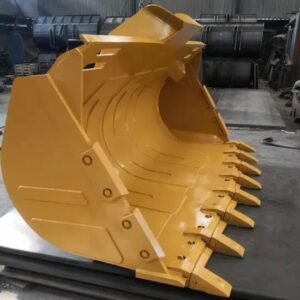
A Ripper Tooth is typically a smaller, more pointed attachment mounted on excavators to break up hard surfaces. They are often used in clusters, meaning multiple teeth work together to loosen compacted soil or fracture rocks.
Advantages of Ripper Teeth:
Precision: Ideal for working in confined spaces or targeting specific areas without disturbing surrounding material.
Versatility: Suitable for various soil types, including moderately hard clay and compacted earth.
Cost-Effective: Usually less expensive to replace, making them economical for smaller-scale operations.
Limitations:
Multiple teeth can spread the force over a larger area, reducing the impact on very dense or rocky material.
May require repeated passes to break through tougher substrates, leading to longer operational time.
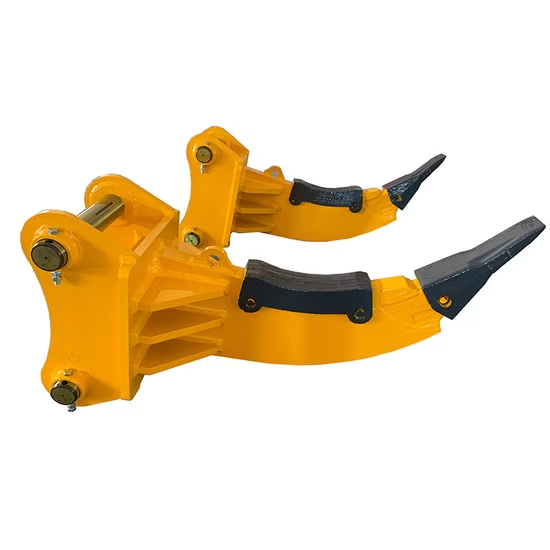
An Excavator Single Shank Ripper, as the name suggests, features a single, heavy-duty shank designed to penetrate and fracture hard soil or rock efficiently. Unlike multiple teeth systems, the single shank focuses the machine’s force on one point, delivering maximum impact.
Advantages of a Single Shank Ripper:
High Penetration Power: Excellent for breaking through extremely hard soil, frozen ground, or rock formations.
Efficient Energy Use: Focused force means fewer passes are needed, saving time and fuel.
Durability: Built to withstand heavy-duty applications, leading to longer life in harsh working conditions.
Limitations:
Less precise than multi-tooth systems, which can be a drawback in delicate excavation areas.
Typically higher upfront cost, though the long-term efficiency can offset this.
Choosing the right attachment depends on the type of work, soil condition, and operational priorities:
Soil and Rock Hardness:
Soft to medium soil: Ripper Teeth are often sufficient.
Hard soil or rock: Excavator Single Shank Rippers are more effective.
Operational Speed:
For quick, small-scale excavation, Ripper Teeth can be faster and easier to maneuver.
For large-scale heavy-duty projects, a Single Shank Ripper significantly reduces the number of passes required.
Precision vs. Power:
Ripper Teeth offer better control in precise operations like trenching near structures.
Single Shank Rippers excel when brute force is needed over large, tough areas.
Maintenance and Longevity:
Multiple Ripper Teeth may require more frequent replacements due to wear and tear.
Single Shank Rippers are designed for durability and can often handle years of intensive work with minimal maintenance.
Both the Ripper Tooth and Excavator Single Shank Ripper have their place in excavation projects. If your work involves softer soil, precise control, and smaller-scale tasks, Ripper Teeth can be the cost-effective choice. However, for projects requiring maximum penetration, efficiency, and heavy-duty performance, the Excavator Single Shank Ripper stands out as the better option.
Investing in the right ripper attachment is more than a matter of convenience—it directly impacts productivity, fuel consumption, and project timelines. Understanding your soil conditions, project scale, and operational priorities will help you make an informed decision, ensuring your excavator performs at its best.