When it comes to working on tough terrains — rocky soils, compact clay, or frozen ground — the Excavator Single Shank Ripper becomes an indispensable attachment. Designed to penetrate and break through hard surfaces, it transforms an excavator into a high-performance ripping machine. But achieving optimal ripping efficiency doesn’t just depend on the ripper itself — several key factors influence its performance on hard ground.
Let’s take a closer look at the top factors that affect excavator ripper performance and how you can get the most out of your equipment.
The most obvious factor influencing performance is the type of material being ripped. Hard ground comes in many forms — compacted soil, weathered rock, shale, or permafrost — each offering different levels of resistance.
Soft to medium materials like clay or compacted soil are easier to break, allowing the Excavator Single Shank Ripper to work faster with less strain.
Harder materials such as limestone, basalt, or granite require greater force and may reduce ripping efficiency if the tool or machine isn’t properly matched to the task.
Understanding the material’s density and fracture properties helps operators adjust ripping depth, angle, and machine speed to maximize productivity while minimizing wear.
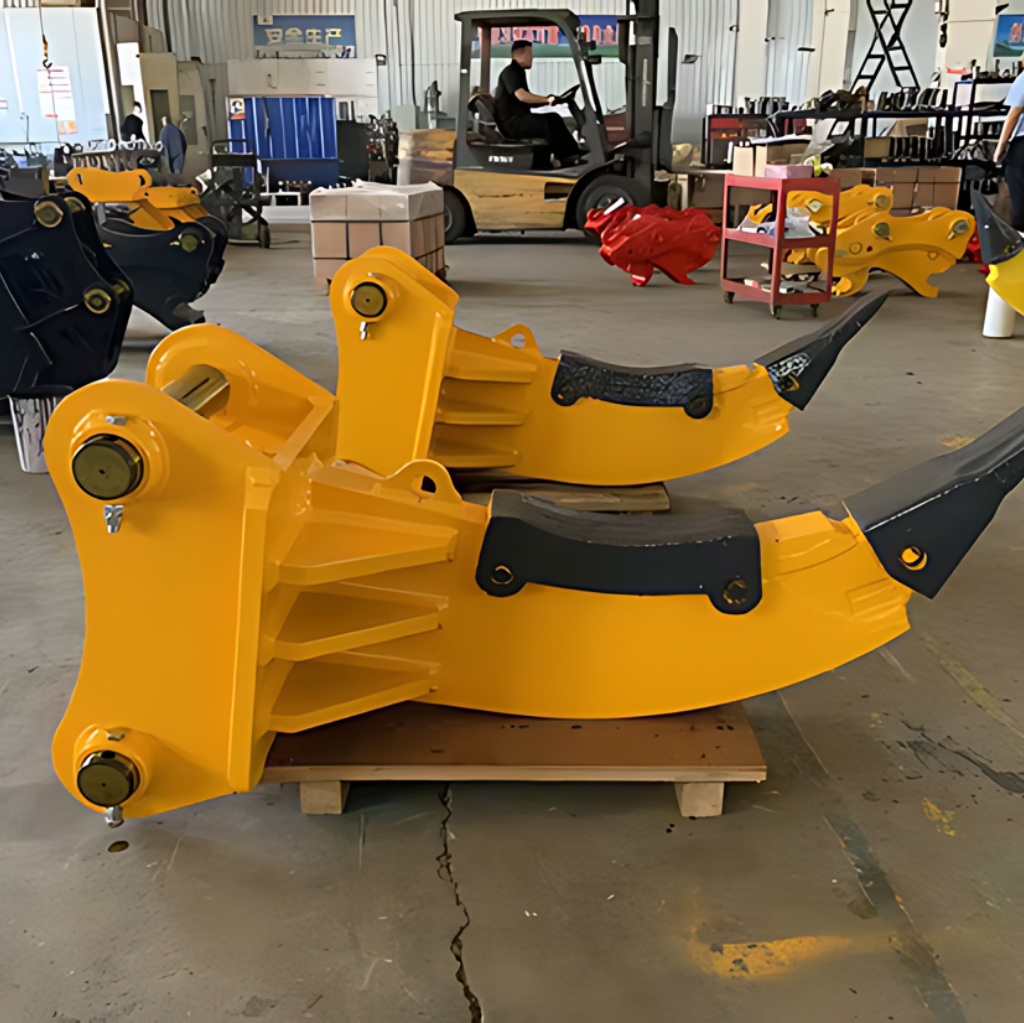
The design and build of the Excavator Single Shank Ripper play a crucial role in its performance. The shank’s shape, curvature, and tooth geometry determine how effectively it can penetrate and lift material.
Single shank design: Ideal for focused, deep penetration into hard ground. The pointed tooth concentrates force in one area, making it suitable for breaking dense layers.
Material strength: High-tensile, wear-resistant steel ensures durability under heavy loads.
Replaceable teeth and adapters: Allow for easy maintenance and consistent cutting performance.
A well-engineered ripper transfers the maximum possible force from the excavator to the ground, reducing fuel consumption and improving efficiency.
No matter how well-built the ripper is, its performance depends largely on the excavator powering it. Hydraulic flow, breakout force, and machine weight all impact how effectively the ripper can operate.
Hydraulic pressure: Determines the force applied at the tooth tip.
Breakout force: A higher breakout force enables deeper and more consistent ripping in hard surfaces.
Machine stability: A heavier excavator can better absorb the reaction forces from the ground, maintaining balance during operation.
Matching the ripper size to the excavator’s capacity is critical — an oversized ripper can strain the machine, while an undersized one won’t deliver the desired productivity.
A skilled operator can make a significant difference in ripping efficiency. The angle of attack, penetration depth, and timing of hydraulic movements all influence the outcome.
Key operator techniques include:
Maintaining a consistent ripping angle to prevent the tooth from slipping.
Using short, controlled strokes rather than forcing the ripper too deep.
Adjusting ripping speed based on ground hardness.
Experienced operators also know when to reposition the machine or change direction to exploit natural fractures in the ground, improving overall output and reducing wear.
The ripper tooth takes the brunt of the impact, so its condition is critical to performance. A dull or worn tooth requires more force, increasing fuel usage and stress on the excavator.
Regular inspection and timely replacement of teeth, adapters, and pins ensure consistent penetration and protect the ripper’s structure. Many high-quality Excavator Single Shank Rippers come with hardened, replaceable tips that maintain cutting efficiency over time.
Environmental factors such as temperature, moisture, and terrain also affect performance. For example:
Frozen ground requires more force and sharper teeth for effective ripping.
Wet or muddy sites can cause slippage and reduce traction.
Uneven surfaces increase machine stress and reduce stability.
Proper site preparation and selecting the right time of day for operations — such as avoiding early morning frost — can help improve results.
Regular machine maintenance — from hydraulic system checks to track tensioning — ensures consistent power delivery. Incorrect setup, like misaligned rippers or loose pins, can significantly degrade efficiency and accelerate wear.
Before starting operations, ensure the ripper is securely mounted, hydraulics are functioning properly, and the machine’s balance is stable. Preventive maintenance always pays off in long-term performance and safety.
A high-quality Excavator Single Shank Ripper is an invaluable tool for heavy-duty earthmoving, but its true potential depends on a balance of machine capability, ground conditions, operator skill, and regular maintenance.
By understanding and optimizing these factors, contractors and operators can achieve higher ripping productivity, reduce operational costs, and extend the lifespan of both the ripper and the excavator. Whether you’re tackling compact rock or frozen terrain, mastering these elements ensures that every rip counts.