When it comes to breaking through hard soil, rock, or frozen ground, an Excavator Single Shank Ripper is one of the most powerful tools you can have in your fleet. Designed to deliver high penetration force, this attachment makes excavation, demolition, and site preparation faster and more efficient. However, choosing the right ripper for your specific excavator model is crucial for maximizing performance, minimizing wear, and ensuring long-term reliability.
In this guide, we’ll explore the key factors to consider when selecting the right Excavator Single Shank Ripper, along with expert tips to help you make the best decision for your project needs.
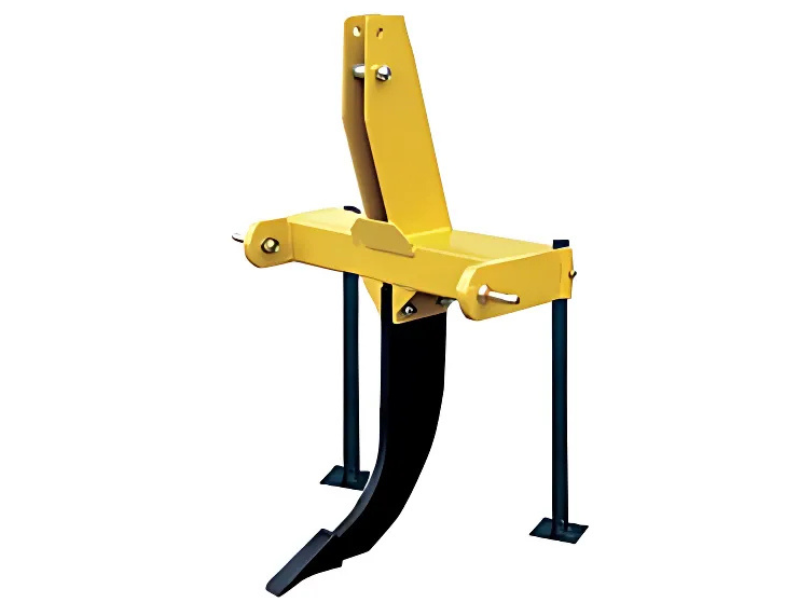
An Excavator Single Shank Ripper is a heavy-duty attachment equipped with a single curved tooth (or shank) designed to penetrate and break up compact materials like rock, asphalt, or frozen ground. The ripper applies concentrated force at a single point, allowing the excavator to break tough surfaces with minimal effort before digging or loading operations begin.
Its simplicity, durability, and power make it indispensable for construction, mining, and roadwork applications.
Not all rippers are created equal. Selecting the wrong model can lead to inefficient operation, premature equipment wear, and even structural damage to your excavator’s arm or boom. The right Excavator Single Shank Ripper should perfectly match your machine’s specifications and the ground conditions you’re working in.
A properly matched ripper will:
Deliver higher penetration and faster cycle times.
Reduce stress on your excavator’s hydraulic system.
Minimize fuel consumption.
Extend the lifespan of both the attachment and the excavator.
Every excavator is designed to handle attachments within a specific weight and power range. Check your excavator’s operating weight, breakout force, and hydraulic capacity before selecting a ripper.
For example:
A 10–20 ton excavator typically requires a light-to-medium-duty ripper.
A 20–35 ton excavator can handle a heavy-duty ripper designed for quarry or mining conditions.
Overloading your excavator with an oversized ripper can cause hydraulic strain or damage the boom.
Your working environment dictates the design and strength of the ripper you need.
Soft Soil or Clay: Standard single shank ripper with moderate penetration depth.
Hard Rock or Frozen Ground: Reinforced ripper with high-grade steel and replaceable tips.
Demolition or Quarry Work: Heavy-duty ripper with extra wear protection and thicker shank.
Matching the ripper design to the terrain ensures optimal breaking efficiency and reduces maintenance costs.
The tooth (or tip) of the Excavator Single Shank Ripper takes the brunt of the impact. Choose a ripper with a high-strength, wear-resistant tooth, typically made of hardened alloy steel.
For high-abrasion work, go for replaceable tips so you can easily change them without replacing the entire shank. Some models also feature tungsten-carbide reinforced teeth for maximum durability.
Ensure the ripper’s mounting bracket matches your excavator’s quick coupler or pin-on system. Many manufacturers design universal brackets, but compatibility still depends on pin size, center distance, and width.
Always verify these specifications to prevent loose fitting, misalignment, or hydraulic imbalance.
The overall build of a ripper determines how long it will last under extreme working conditions. Look for:
High-tensile structural steel construction
Precision welding for enhanced durability
Curved shank design for better penetration
Wear plates or side reinforcements for added protection
A well-engineered ripper not only performs better but also minimizes stress on your excavator during operation.
Investing in a high-quality Excavator Single Shank Ripper from a reputable brand ensures consistent performance, technical support, and spare parts availability.
Leading manufacturers often design rippers tailored for specific excavator brands like Caterpillar, Komatsu, JCB, Hyundai, Kobelco, and Volvo, ensuring perfect fit and balance.
Once you’ve chosen the right ripper, maintaining it properly is key to extending its lifespan:
Inspect the tooth and shank regularly for cracks or wear.
Keep all pins and bushings lubricated.
Replace worn tips promptly to maintain penetration efficiency.
Store the attachment in a dry area when not in use.
Regular maintenance not only ensures safety but also preserves ripping performance across projects.
Choosing the right Excavator Single Shank Ripper involves more than just picking a heavy-duty attachment—it’s about matching the right tool to your excavator’s capacity, terrain, and application. When properly selected, a single shank ripper can dramatically improve your excavation efficiency, reduce downtime, and extend the life of your machine.
Before buying, always consult with your equipment dealer or attachment specialist to ensure compatibility and get expert advice tailored to your worksite conditions.