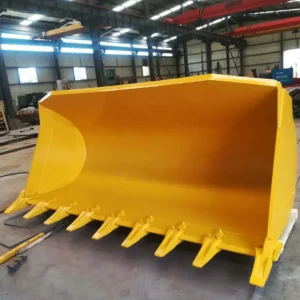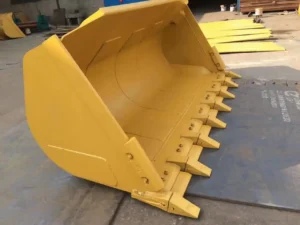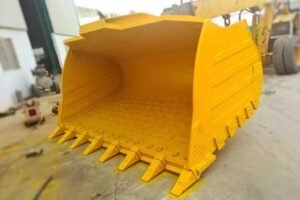
When it comes to tough earthmoving and land-clearing jobs, standard buckets aren’t always enough. For breaking through hard ground, rock, or frost, contractors turn to a powerful attachment known as the Excavator Single Shank Ripper. This rugged tool is designed to maximize the digging power of an excavator, making it easier to handle the most challenging terrains with speed and efficiency.
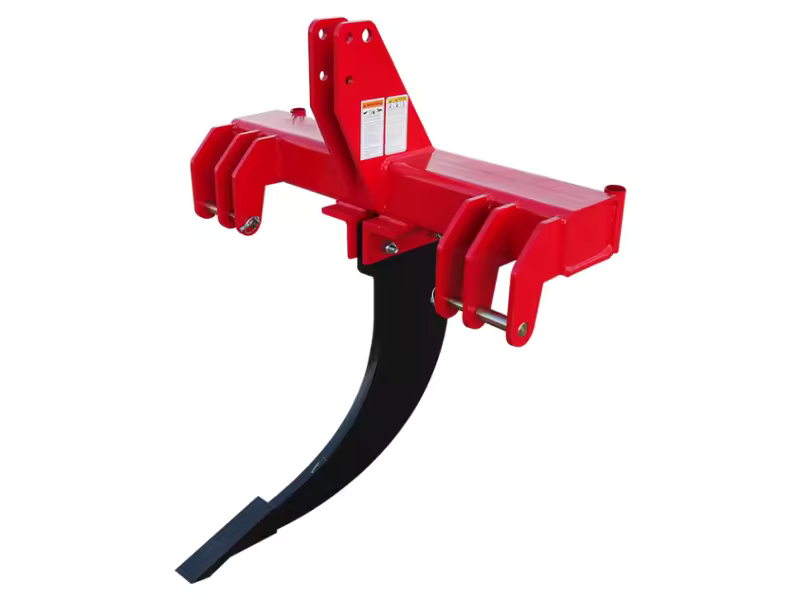
An Excavator Single Shank Ripper is a heavy-duty attachment that replaces the traditional bucket at the end of an excavator arm. As the name suggests, it features a single, pointed shank or tooth—crafted from high-strength, wear-resistant steel—that penetrates the ground with exceptional force.
Unlike multi-tooth rippers used on bulldozers, the single shank design focuses all the hydraulic and mechanical power of the excavator into one point. This makes it incredibly effective for ripping, prying, and loosening compacted soil, shale, rock, asphalt, frozen ground, or any other material that’s too dense for a standard bucket to handle.
An Excavator Single Shank Ripper typically consists of the following main parts:
Main Body: A reinforced steel structure that provides stability and connects to the excavator’s boom and stick.
Shank/Tooth: The pointed tip that penetrates and breaks the ground. It is often replaceable and made from hardened steel or other abrasion-resistant materials.
Mounting Bracket: Allows the ripper to be attached and detached easily from the excavator’s quick coupler system.
Side Guards and Wear Plates: Protect the ripper body from wear and extend its lifespan in harsh conditions.
The working principle of an Excavator Single Shank Ripper is simple yet powerful. Instead of scooping, the ripper uses leverage and hydraulic force to break the material apart. Here’s how it functions step-by-step:
Penetration: The operator positions the excavator arm so that the ripper’s tip contacts the hard surface at an angle.
Downward Force: Using the excavator’s hydraulic system, the ripper is driven into the ground with immense pressure.
Breaking Action: The single point concentrates all the force, cracking and loosening the material.
Ripping and Extraction: The excavator arm pulls the ripper backward or upward, tearing apart the soil, rock, or frozen layer.
Cleanup: Once the surface is loosened, a bucket or other attachment can easily scoop or load the material for removal.
This process reduces stress on other equipment and increases productivity in site preparation, trenching, or quarrying operations.
The Excavator Single Shank Ripper is an essential tool across multiple industries due to its versatility and efficiency. Common applications include:
Mining and Quarrying: Breaking hard rock, boulders, and mineral deposits.
Construction and Site Preparation: Loosening compacted ground, clay, or asphalt before excavation.
Roadwork and Demolition: Removing roadbeds, pavements, or concrete layers.
Agriculture and Land Development: Preparing tough land or clearing tree roots and stumps.
Frost Removal: Cutting through frozen soil in cold-weather environments.
Using an Excavator Single Shank Ripper offers several advantages:
Increased Efficiency: Cuts through tough materials faster than buckets, reducing cycle time.
Extended Machine Life: Minimizes wear and tear on the excavator by lowering digging resistance.
Fuel Savings: Because the ripper loosens material first, the excavator uses less power and fuel for subsequent operations.
Versatility: Easily switches between attachments—ideal for varied job site requirements.
Durability: Made from high-tensile steel to withstand extreme stress and abrasion.
To keep your Excavator Single Shank Ripper performing at its best, follow these simple practices:
Inspect regularly for cracks, wear, or loose fittings.
Replace worn teeth promptly to maintain ripping efficiency.
Lubricate pins and joints to prevent rust and friction.
Follow load limits to avoid damaging the excavator or attachment.
Operate at the correct angle—improper technique can reduce effectiveness and increase stress on the machine.
The Excavator Single Shank Ripper is an indispensable attachment for contractors dealing with hard, compacted, or frozen ground. Its ability to channel immense power into a single point makes it perfect for pre-excavation work, quarrying, and demolition. By choosing a high-quality ripper and operating it correctly, you can save time, reduce equipment strain, and achieve better results in any tough digging project.
Whether you’re in mining, road construction, or land development, investing in an Excavator Single Shank Ripper ensures you’re ready to tackle the hardest materials with precision and efficiency.