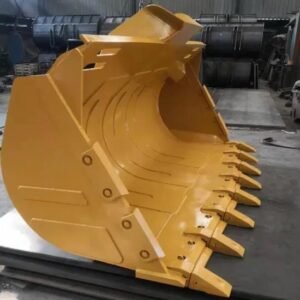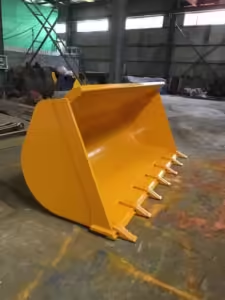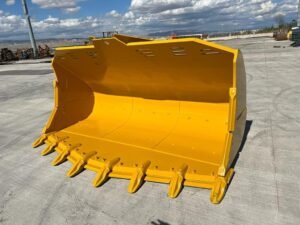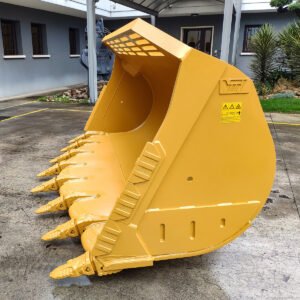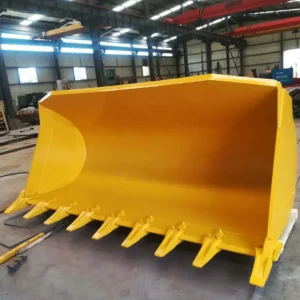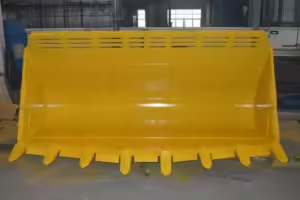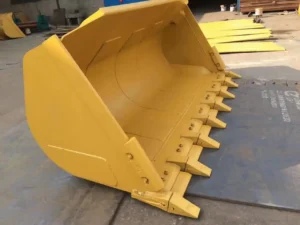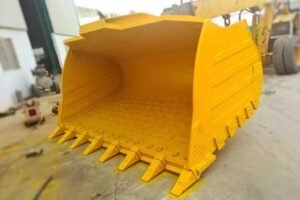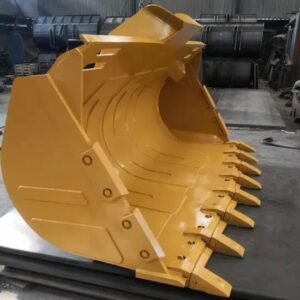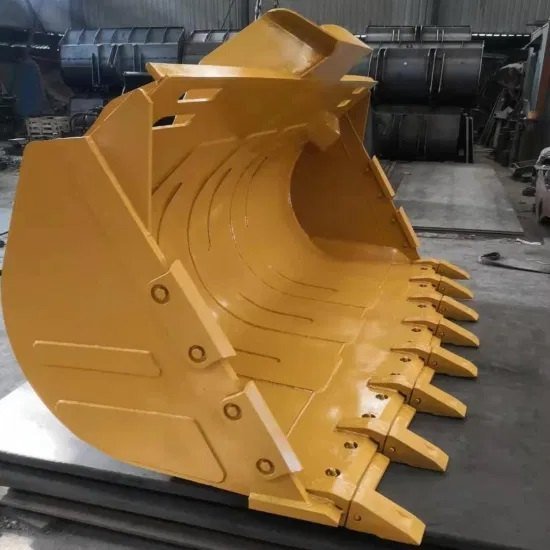
In any construction, mining, or earthmoving project, the Excavator Loader Bucket plays a critical role in productivity. It directly handles heavy materials like soil, gravel, debris, and rocks, making it one of the most heavily used attachments on an excavator. Over time, constant wear and harsh working conditions can take a toll on the bucket’s performance and structural integrity.
Ignoring early warning signs can lead to costly breakdowns, unsafe operations, and downtime on job sites. Knowing when your Excavator Loader Bucket needs repair or complete replacement can help you maintain efficiency and extend the life of your machine. Here are five clear signs you should never overlook.
One of the most obvious signs that your Excavator Loader Bucket needs attention is visible cracking. These cracks often appear along weld seams, corners, or high-stress areas such as the bucket’s back or side walls. Even small cracks can quickly grow under heavy loads and vibrations.
Cracks compromise the bucket’s strength and can lead to sudden failures during operation, posing serious safety risks to operators and nearby workers. While minor cracks can sometimes be welded and repaired, widespread structural damage usually indicates it’s time for a replacement.
What to do:
Conduct regular visual inspections. If you notice recurring cracks even after repairs, investing in a new Excavator Loader Bucket may be more cost-effective in the long run.
The cutting edge and teeth are the first parts of the Excavator Loader Bucket to contact the ground. They are designed to take abuse, but excessive wear reduces digging efficiency and increases fuel consumption as the machine works harder.
Blunt or uneven teeth make it difficult to penetrate compacted soil or rocky surfaces. A worn cutting edge can also expose the bucket shell to damage, accelerating overall wear.
What to do:
If the teeth are replaceable, change them before they wear down completely. However, if the cutting edge itself is severely worn or cracked, consider repairing or replacing the bucket to prevent further damage.
A healthy Excavator Loader Bucket should maintain its original shape for optimal scooping and dumping. Overloading, hitting hard obstacles, or working in tough conditions can bend the bucket’s side plates or bottom.
A deformed bucket reduces capacity, causes uneven material flow, and puts extra stress on the excavator’s arm and hydraulics. It can also lead to faster wear of pins and bushings due to misalignment.
What to do:
Minor deformations can sometimes be straightened by professionals. But if the bucket has lost its shape significantly, replacement is usually the safer and more reliable option.
If your Excavator Loader Bucket constantly needs welding, patching, or part replacements, it’s a clear sign that it’s nearing the end of its service life. While repairs can extend usability, repeated downtime affects productivity and increases overall operating costs.
At some point, the cumulative cost of repairs outweighs the investment in a new bucket. Additionally, frequent failures increase the risk of unexpected breakdowns on critical job sites.
What to do:
Track repair frequency and costs. If maintenance becomes routine rather than occasional, replacing the Excavator Loader Bucket will likely save money and improve reliability.
Another warning sign is a noticeable drop in performance. If your Excavator Loader Bucket struggles to hold material, spills loads during lifting, or fails to scoop efficiently, it may be due to worn edges, holes in the shell, or distorted structure.
Material spillage not only slows down work but also increases clean-up time and fuel usage. It can even create safety hazards on site.
What to do:
Inspect for holes, thinning steel, or worn side walls. Minor holes can be patched, but extensive wear across the bucket body often means replacement is the better option.
Not every damaged Excavator Loader Bucket needs immediate replacement. Here’s a simple guide:
Choose repair if: damage is minor, localized, and the bucket structure is still strong.
Choose replacement if: there is major structural damage, widespread wear, repeated failures, or reduced efficiency affecting productivity.
Modern buckets are designed with stronger alloys and better wear protection, offering improved lifespan and performance compared to older models.
To avoid premature repairs or replacement, follow these best practices:
Perform regular inspections before and after shifts.
Avoid overloading beyond the bucket’s rated capacity.
Use the right bucket type for the job (rock, trenching, general-purpose).
Replace wear parts like teeth and adapters on time.
Train operators on proper digging techniques.
Proper care can significantly increase the service life of your Excavator Loader Bucket and reduce downtime.
Your Excavator Loader Bucket is a vital component that directly impacts job efficiency, safety, and operating costs. Recognizing early signs like cracks, excessive wear, deformation, frequent repairs, and performance loss helps you take timely action.
By addressing these issues early—through repair or replacement—you ensure smoother operations, better productivity, and long-term savings. If in doubt, consult equipment experts to assess the condition of your bucket and recommend the best solution for your application.
Investing in a reliable Excavator Loader Bucket today can make a significant difference in your project’s success tomorrow.